Insurance if a Parent No Longer Drives
Once your parent stops driving, you can usually drop them from the policy and cancel coverage on any car they no longer use.

What to settle once the driving stops
- Remove them as a driver If the car stays in use by someone else, the policy should list only active drivers. Call the insurer to update it so the rate reflects who actually drives.
- Decide the car's fate A car that sits unused still needs some coverage if it's still owned. Ask about a reduced policy for parked, undriven vehicles instead of cancelling outright.
- Cancel only once car is gone Don't cancel insurance while the car is still titled to your parent and sitting in a driveway. Wait until it's sold, transferred or officially off the road.
- Check the license status too Insurance and licensing are separate but connected. If your parent keeps a valid license without driving, confirm whether that affects any coverage decisions.
- Watch for a refund Stopping coverage early often means money is owed back. Ask the insurer directly rather than assuming it happens automatically.
When a parent gave up the keys but kept the car
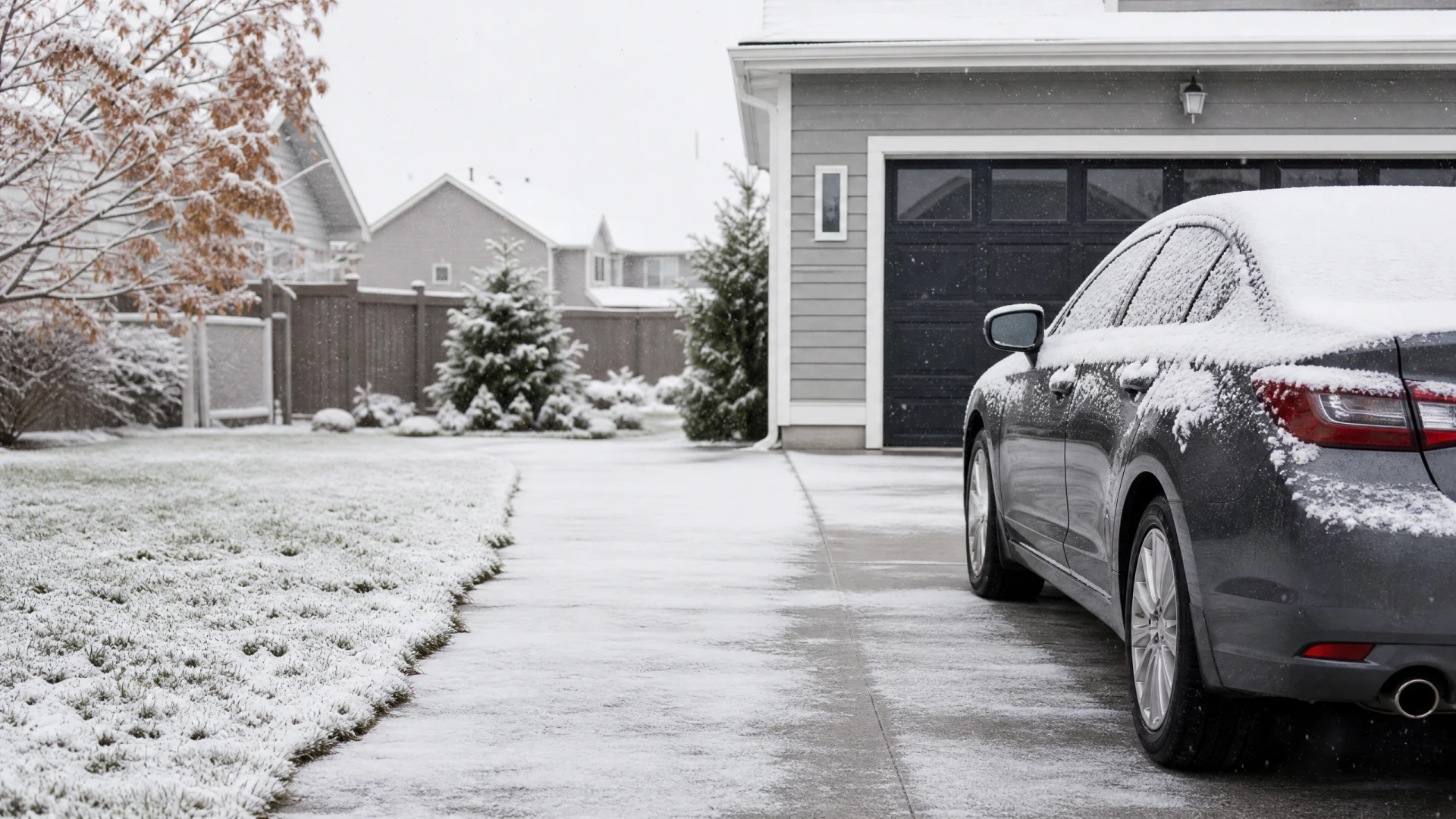
A woman in her fifties noticed her father, eighty-two, had stopped driving on his own after a close call backing out of the garage. He still owned his car and kept saying he might start again once his knee improved. She didn't want to force the issue, so she called his insurer to ask what their options were rather than cancelling anything right away.
The insurer offered a reduced policy meant for cars that aren't regularly driven, which still covered theft, weather damage and liability if anyone else drove it occasionally. She kept that in place for several months while her father decided what he wanted. When he finally agreed to sell the car, she cancelled the policy the same week the sale closed, and the insurer refunded the unused portion. Nothing was rushed, and nothing was left exposed in the meantime.
Match coverage to what's actually happening with the car now, not what used to be true.
Once you know whether the car is staying, selling or sitting idle, compare quotes for the coverage that decision needs.
Should you cancel the policy the moment your parent stops driving?
Not necessarily. Cancelling makes sense when the car is sold, given away or permanently off the road. But if your parent still owns the car, even unused, it usually needs some form of coverage while it sits.
An unused car can still be stolen, damaged in a storm, or hit while parked. A reduced policy built for inactive vehicles covers those risks without paying for the parts of coverage tied to active driving. This keeps your parent protected financially without pretending they're still behind the wheel. Full cancellation is the right move only once the car itself is gone, not simply because the driving stopped.
Why the car and the person are treated separately
Car insurance follows two different things at once, the driver and the vehicle. When a parent stops driving, only one of those two things changes. The car still exists, still has value, and still carries risk simply by sitting in a driveway or garage. That's why insurers separate the question of who drives from the question of what to do with the car.
A parked car isn't risk-free. It can be stolen, vandalized, or damaged by weather, and if someone else drives it even once, liability questions come up immediately. This is why most insurers offer reduced coverage for inactive vehicles rather than forcing an all-or-nothing choice between full coverage and none at all.
State rules affect this more than people expect. Some states have minimum requirements tied to registration, meaning a car can't go without insurance as long as it's registered, even if it never moves. Check your parent's state rules before assuming the car can go uninsured while registered.
The exception is when the car is actually gone. Once it's sold, donated or transferred, there's nothing left to insure, and keeping a policy active only means paying for coverage with nothing behind it. The moment of stopping driving and the moment of no longer owning a car are different events, and the insurance decision should follow the second one, not the first.
Does my parent's license need to be cancelled if they stop driving insurance-wise?
Not necessarily, the two are handled separately. A parent can hold a valid license while having no active insurance if they own no car. Problems arise only if they drive someone else's car while uninsured themselves, so check what your state requires for occasional drivers before assuming a license alone is fine to keep.
What happens to the car's insurance if my parent moves into my home?
Insurance follows the car's location and primary driver, not just the owner's address. If the car moves with your parent, update the policy with the new address right away, since rates and coverage can depend on where a car is regularly kept overnight.
Can I keep my parent's car insured if it's titled in their name but I drive it?
Yes, but the policy needs to reflect who the primary driver actually is. Insurers care more about who drives the car regularly than whose name is on the title, so call and update this directly rather than leaving it unchanged.