Is a Higher or Lower Car Insurance Deductible Better
A lower deductible protects a tighter budget, while a higher one only pays off if a claim is unlikely.
The right deductible matches how much risk your parent can absorb
A deductible is the amount your parent pays out of pocket before insurance covers the rest of a claim. Raising it lowers the monthly premium because the insurer takes on less risk. Lowering it raises the premium but limits what your parent would owe if something happens. The tradeoff is always between what they pay now and what they might owe later.
For an older driver, the math often shifts toward a lower deductible. If a claim would strain their savings, or if you'd be the one covering the gap, a smaller deductible gives more predictability even though it costs more each month. If they have enough set aside to comfortably cover a higher deductible without stress, the lower premium can make sense and the savings add up over years of safe driving.
This also depends on how long they'll likely keep driving. If you expect them to stop within a year or two, a higher deductible paired with a lower premium might save more overall, since the odds of filing a claim in a short window are lower. If they're likely to drive for many more years, the math changes, and a lower deductible protects against the uncertainty of a longer stretch of time.
State rules and insurer policies can affect which deductible levels are even offered, and some insurers cap how high or low you can go. Check your parent's policy documents or call the insurer directly to see what range applies before you decide.

What actually determines the right deductible for your parent
- Savings on hand If your parent doesn't have enough set aside to cover a higher deductible, choose the lower one. Ask them directly what they could pay today without strain.
- Driving frequency Less driving means fewer chances of a claim, which can support a higher deductible. Check how often they actually use the car now versus in past years.
- Who pays if a claim hits If you'd be the one covering a gap, treat that cost as part of your own budget, not just theirs. Talk through this before an accident forces the question.
- How long they'll keep driving A shorter driving horizon favors a higher deductible and lower premium. A longer one favors the lower deductible's steadier protection.
- Policy ownership If the policy isn't in your name, you can't change the deductible without your parent's consent or authorization on the account. Confirm who's listed before making any changes.
The deductible isn't about today's premium, it's about who can absorb the cost the day a claim happens.
Once you know what deductible fits your parent's situation, compare quotes to see what that choice actually costs.

Choosing a lower deductible versus a higher one
If you do
With a lower deductible, your parent pays more each month but owes less if they file a claim. This gives predictability, which matters if their savings are limited or if you'd be the one helping cover costs after an accident. It's a steadier, calmer choice for someone whose finances can't flex easily.
If you don't
Choosing a higher deductible lowers the monthly premium but leaves your parent owing more upfront if they file a claim. If they have savings to cover that amount, it can work out cheaper over time. If they don't, a single accident could create a financial strain neither of you expected.
A parent who drives occasionally but has limited savings
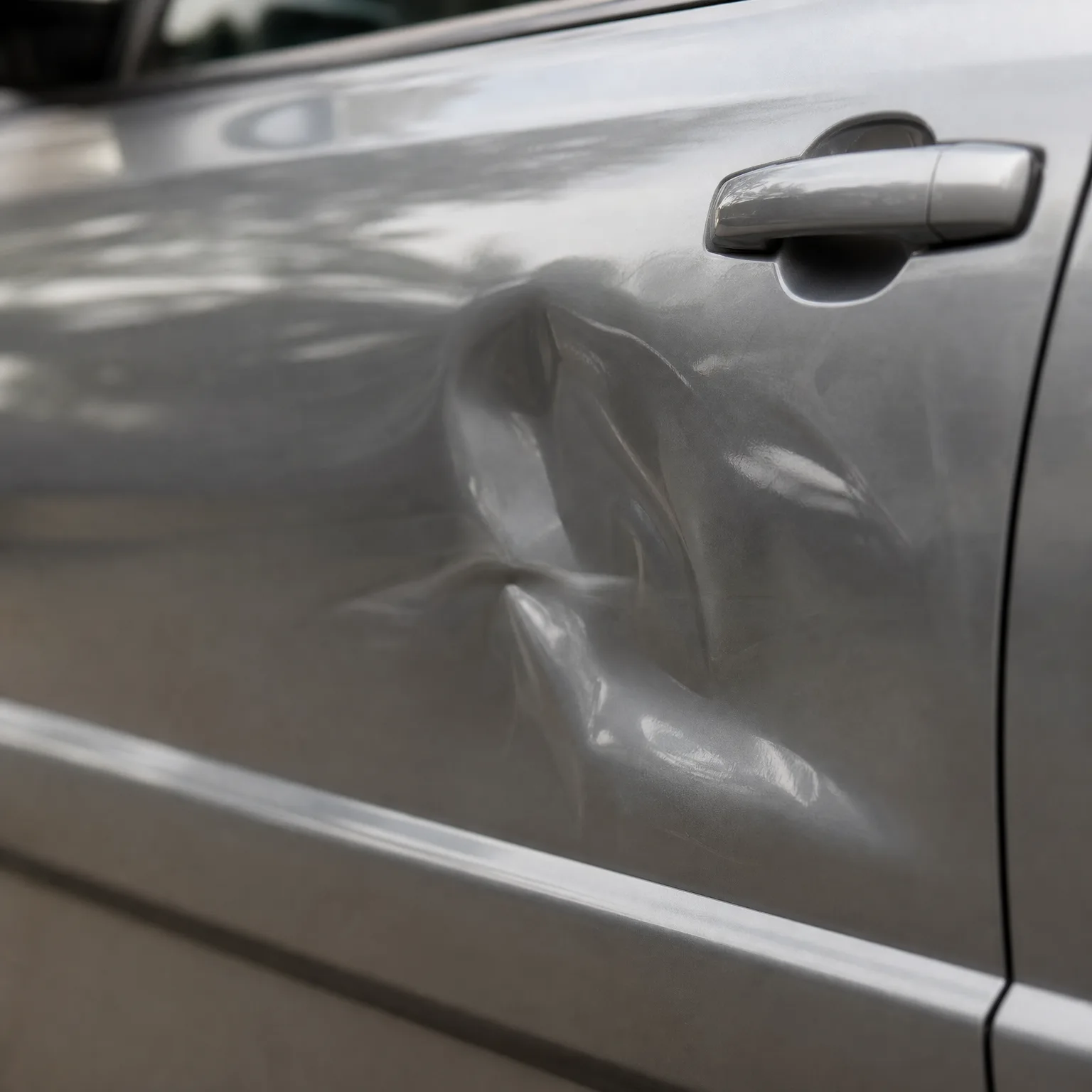
One adult child managing her father's policy noticed he was only driving a few times a week, mostly to appointments and the grocery store. His driving record was clean, but his savings were modest, and she knew a major repair bill would be hard for him to absorb on his own. She considered raising the deductible to lower the monthly cost, since he rarely drove and the odds of an accident seemed low.
After looking at his bank statements together, she realized he couldn't comfortably cover a higher deductible if something happened, even though the odds were small. She chose to keep the deductible lower instead, accepting the higher premium as the tradeoff for peace of mind. A few months later, he was in a minor fender bender in a parking lot. Because the deductible was low, his share of the repair cost was manageable, and he paid it without needing help from her. She realized the slightly higher monthly cost had been worth avoiding a harder conversation about money later.