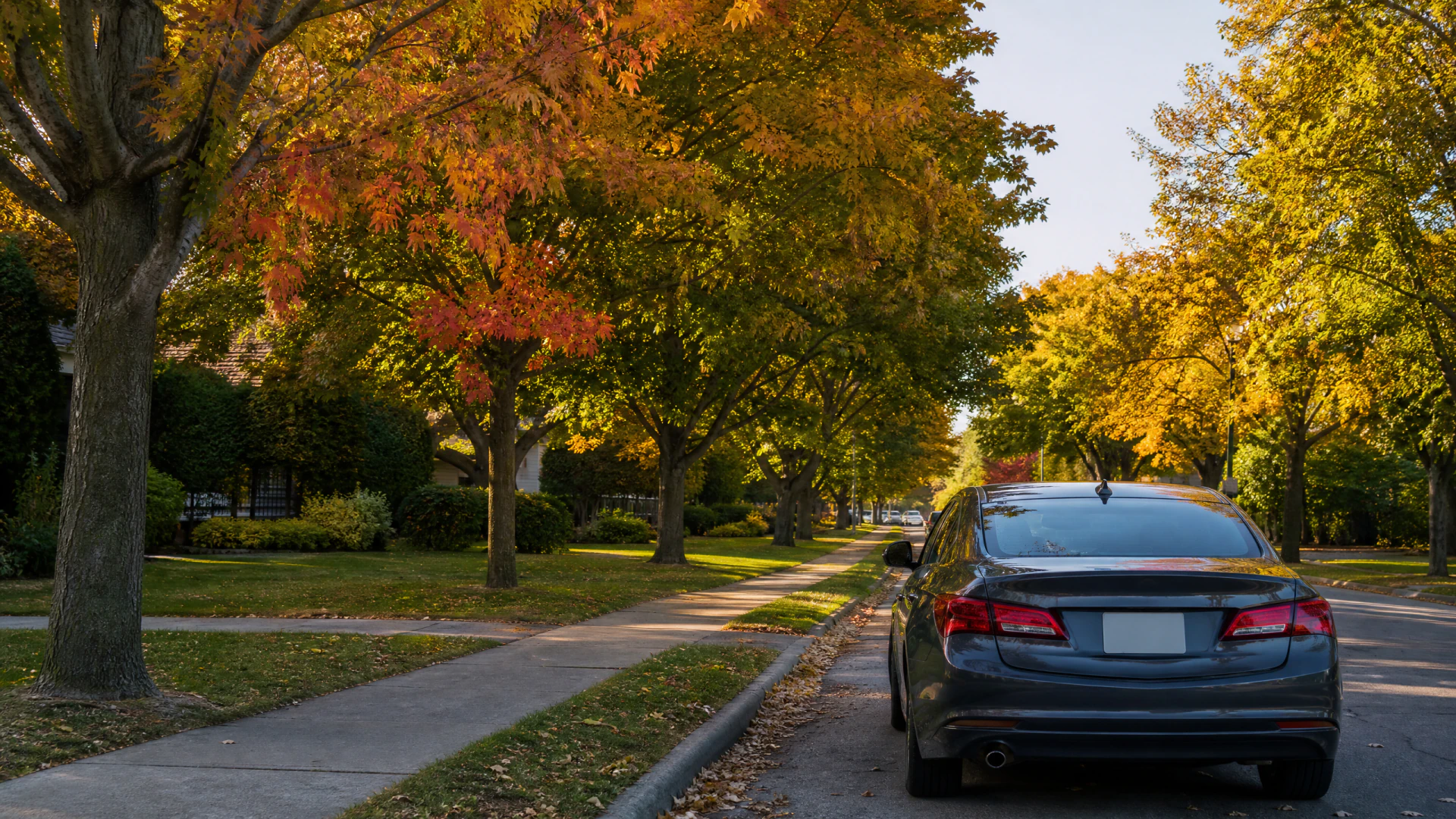
Is a Rear-End Collision Always Your Fault
Usually the rear driver is found at fault, but not always, since sudden stops, broken lights, or multi-car pileups can shift the blame.
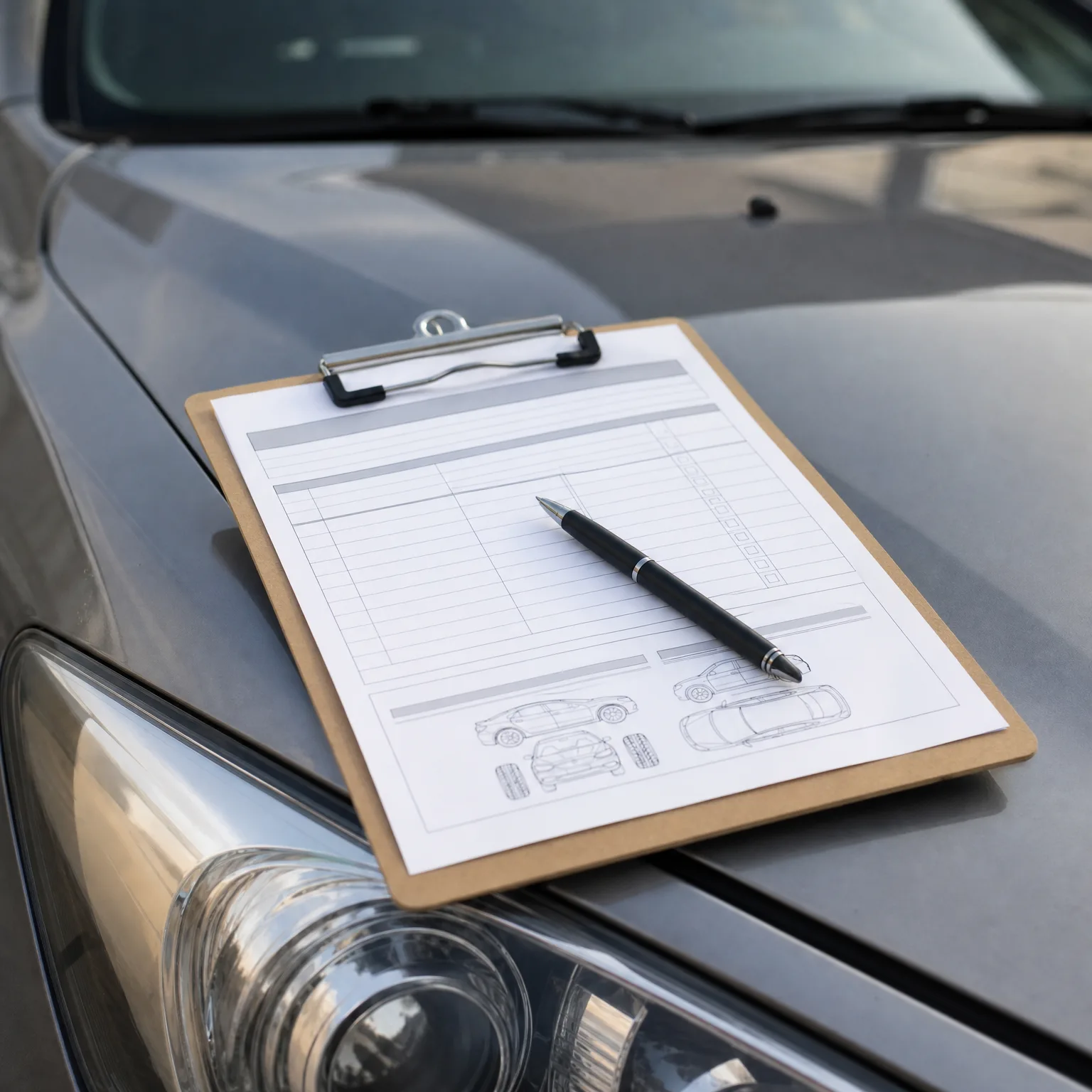
What actually decides fault in a rear-end crash
- Following distance matters most The driver behind is expected to leave enough room to stop safely. If you rear-ended your parent's car, ask what distance and speed were involved before assuming anything.
- Brake lights and signals count If the lead car had broken brake lights or made an unsignaled stop, fault can shift partly their way. Check the vehicle's lights and any dash cam footage right after a crash.
- Sudden stops can shift blame A driver who stops abruptly without reason can share fault even if hit from behind. Get witness statements or traffic camera footage if this looks like what happened.
- Pileups split fault differently When one hit causes a chain reaction, fault often traces back to the first impact. Don't assume your parent is responsible just because their car hit the one in front.
- State rules shape the outcome Some states reduce payouts if a driver shares partial blame, others block them entirely past a certain point. Check your parent's state rules before assuming how a claim will go.
Could my parent still be held partly at fault even if they were hit from behind?
Yes, this can happen if the parent's car contributed to the crash in some way. A sudden stop without cause, a burned-out brake light, or stopping in an unexpected place can all shift some responsibility onto the lead driver, even though they were struck from behind.
Insurers and police look at the full picture, not just who made contact last. They'll review the vehicles, any available footage, and witness accounts before deciding how fault splits. If your parent's car had a mechanical issue like faulty lights, that detail matters a lot. It's worth asking the insurer directly how they weigh these factors in your parent's state, since the same accident can be judged differently depending on where it happened.
Fault depends on what actually happened in the moment, not on which car ended up in which position.
Once you know how fault gets decided, compare quotes that reflect your parent's real coverage needs.

When the car behind hit your parent, but fault wasn't so simple
Your parent was stopped at a light when another driver rear-ended them. At first it seemed like an easy case, the other driver was clearly behind and clearly moving. But when you pulled the dash cam footage, it showed your parent's brake lights had been out for weeks, something you hadn't noticed because you'd only recently taken over the car's upkeep.
You reported this honestly to the insurer instead of assuming the other driver would take full blame. The adjuster reviewed the footage, confirmed the broken lights contributed to the crash, and assigned partial fault to your parent as a result. It changed how the claim paid out, but it also meant you caught a safety issue before it caused a worse accident. You had the brake lights fixed that week, and you started checking them monthly since the paperwork and bills had quietly become your job alongside everything else you were managing.
Will my parent's insurance rates go up after a rear-end accident?
It depends on how much fault they're assigned and the insurer's own rules for rate increases. A clean driving history before the crash matters, and so does whether the policy has any accident forgiveness built in. Check with the insurer directly, since this varies by company and by state.
Who pays for the damage if my parent is found partly at fault?
Each driver's own insurer typically covers their share based on the percentage of fault assigned. If your parent is found mostly not at fault, the other driver's insurer usually covers most of the damage. Ask the adjuster for the specific fault breakdown in writing so you understand what's being paid and by whom.
Should I add my parent to my own car insurance policy?
Not necessarily, and it depends on whether they still live separately and own the car themselves. If your parent owns and insures their own vehicle, their policy usually needs to stay in their name for coverage to apply correctly. Ask an agent what changes if your parent moves in or stops driving regularly.