
Is Bundling My Parents Car With Mine Worth It
Bundling usually costs less per car, but it only works well if you're ready to share liability and control over your parent's policy.

What decides if bundling makes sense
- Whose name is on the title Insurers generally want the policyholder to have an insurable interest in the car. Check whether your parent still owns the car outright before assuming you can add it to your policy.
- Liability spreads across both Combining policies usually means one claim history and one set of limits for both drivers. Ask the insurer directly how a claim by either driver affects the other's rates.
- Discounts versus rate changes Multi-car discounts can lower the total, but adding an older driver with a thinner recent record might raise it. Get a quote with and without the bundle before deciding.
- Control over the policy Whoever is the named policyholder typically makes the decisions about coverage and cancellations. Talk with your parent about who holds that role before you combine anything.
- Separating later if needed If your parent stops driving, you can usually remove the car or adjust coverage rather than cancel everything. Ask the insurer what that unwinding process looks like upfront.
Will bundling make me liable for my parent's accidents?
Bundling the policies does not automatically make you personally liable the way it would if you were a co-driver in the car. Liability for an accident generally follows the driver and the vehicle's coverage, not just whose name is on the account. But if you are listed as a co-owner or the policyholder, insurers may look to you for premium payments, claims decisions, and sometimes shared responsibility for how the policy is maintained.
What matters more is whether you're listed as a driver on the car, a co-owner, or simply the person managing the paperwork. Ask the insurer to spell out exactly what your name on the policy means for responsibility, because this varies by insurer and sometimes by state. If you want financial separation but administrative ease, ask whether you can manage the account without being a named owner or driver.

Now that you know what bundling would mean for liability and control, compare quotes to see what it actually costs.

A daughter weighing one policy against two
Marta took over her father's bills after her mother passed, including the car insurance that had quietly lapsed into a higher rate because no one caught the renewal notice. Her father still drove to church and the grocery store, a few miles a week, and the car was paid off and titled in his name alone. Marta considered adding his car to her own policy since she handled everything else, but she called the insurer first to ask what that would mean.
The agent explained that since the title was in her father's name only, she would need to either have him add her as a co-owner or keep the policies separate but linked for a discount. Marta didn't want to touch the title, so she asked about a household discount instead, which combined the billing and lowered both premiums without changing who owned what. She kept her father as the sole named policyholder on his car, with herself as an authorized contact so she could manage renewals and claims. It cost a little more than full bundling would have, but it meant her father kept his independence and she kept the peace of mind of knowing the paperwork wouldn't slip through the cracks again.
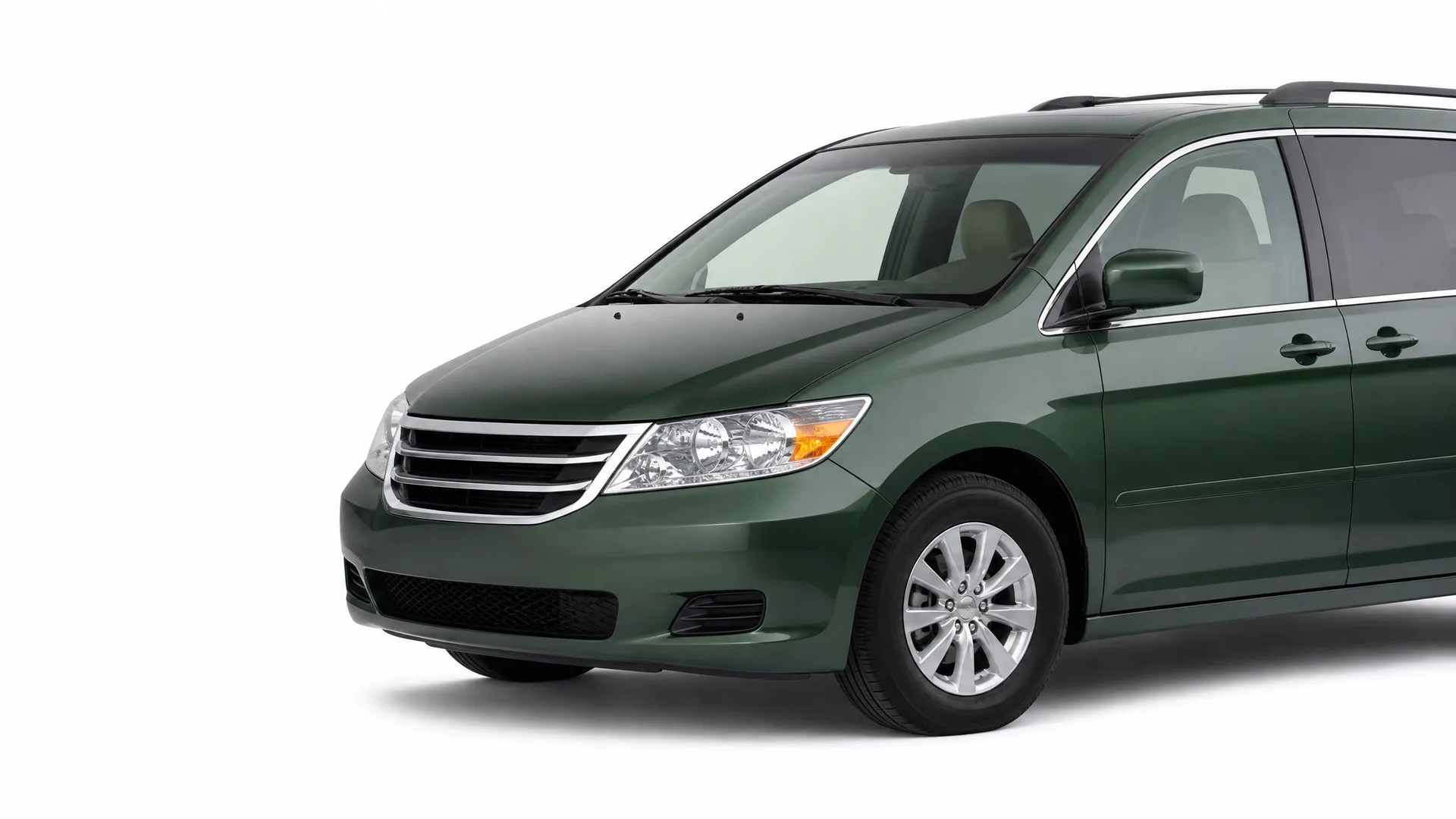
Bundling is a billing choice as much as a coverage one, and ownership details matter more than savings.
Can I add my parent to my car insurance without them owning my car?
Usually not as a vehicle, but you can often add them as a listed driver if they drive your car occasionally. Insurers generally require an insurable interest to cover a vehicle, so a parent's own car typically needs to stay on a policy connected to their ownership. Ask the insurer what counts as sufficient interest, since this varies.
Does bundling affect who gets notified about claims or cancellations?
Yes, the named policyholder is usually who receives official notices, even if someone else manages the account day to day. If you want to be kept in the loop, ask the insurer about adding yourself as an authorized contact or secondary contact on the policy. This differs by insurer, so confirm it directly rather than assuming.
What happens to the bundle if my parent needs to stop driving suddenly?
You can typically remove their car from the policy or drop it to a non-driving status rather than cancel the whole bundle. Ask the insurer in advance how removing one vehicle affects the discount and the remaining premium, since the savings may shrink once only one car remains.