Is It Better to Have Collision or Comprehensive
Collision and comprehensive cover different kinds of damage, and most drivers who want real protection carry both.
What each one actually covers
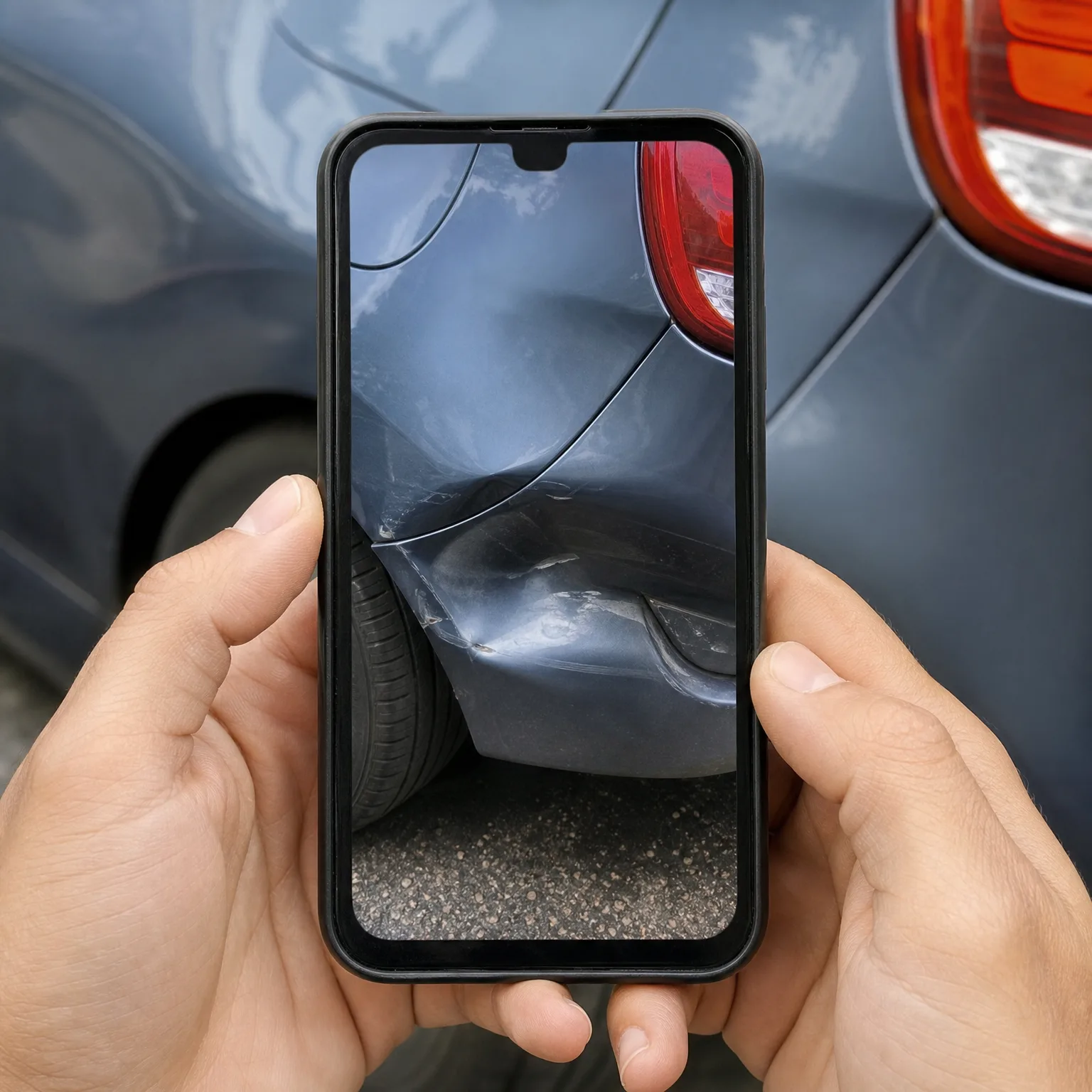
- Collision covers crashes It pays for damage when the car hits another vehicle or object, or flips, no matter who caused it. If your parent is still driving, this matters most for protecting the car itself.
- Comprehensive covers the rest Theft, fire, falling branches, hitting an animal, vandalism. If the car sits outside or your parent lives somewhere with weather risk, this fills a real gap.
- Both require a deductible Each coverage has its own deductible, paid separately if both apply in one event. Check what your parent can actually afford out of pocket before choosing an amount.
- Lenders often require both If the car is financed or leased, the lender usually requires both coverages. Check the loan paperwork before dropping either one.
- Car value changes the math On an older, lower-value car, dropping one or both can make sense. Get the car's current value before deciding, not what you remember paying for it.
Should you drop collision or comprehensive on an older car?
It depends on what the car is worth now, not what it cost or what it means to your parent. If a repair after a covered loss would cost more than the car is worth, the insurer will likely total it anyway and pay you that value instead of fixing it. At some point, paying premiums for coverage that would rarely pay out more than the car's worth stops making sense.
Get an honest current value first. Then compare what you're paying for each coverage against that number. If the premium is small relative to the value, keeping both is usually still worth it for peace of mind. If the car is worth very little and the premium is a real cost, dropping collision first is more common, since it's usually the pricier of the two. Comprehensive tends to cost less and still protects against theft and total losses from events you can't control, so many people keep it even after dropping collision.

Once you know which coverages your parent's car actually needs, compare quotes to see what that protection costs.
Deciding to keep both coverages on the policy
If you do
The car is protected whether a crash, theft, or storm causes the damage. You'll pay for two deductibles if both apply to one event, and the premium will be higher. For a car still worth meaningful money, this is usually the safer choice while your parent is driving.
If you don't
You save on premium now, but a crash or theft could leave the car unrepaired or unreplaced, with you or your parent covering the cost. This only makes sense once you've confirmed the car's value is genuinely low enough that the coverage wouldn't pay out much more than you're already saving.
Why they're sold together but protect against different things
Insurers split coverage this way because the two risks behave differently. Collision is about fault-free crash damage, something that happens because of how the car is driven or where it's parked in traffic. Comprehensive is about risks the driver has no control over at all, like weather, theft, or an animal running into the road. Treating them as one coverage would mean charging everyone the same price regardless of which risks actually apply to their situation.
This is also why you can usually buy one without the other, but most people don't. A policy with only collision leaves the car exposed to theft or a cracked windshield from a storm. A policy with only comprehensive leaves it exposed in an ordinary accident, which is statistically the most likely way a car gets damaged. Carrying both is less about following a rule and more about covering the realistic range of things that happen to cars over years of ownership.
Where it works out differently is mostly about the car's value and how it's used. A car that's paid off, worth very little, and driven only short distances locally carries less risk in dollar terms, so dropping one or both coverages can be a reasonable trade for lower premiums. A financed car, a car driven daily, or a car parked outside in a place with severe weather or higher theft rates usually justifies keeping both, regardless of age.
State rules don't typically require either coverage, unlike liability insurance, so this decision is really about the lender's requirements if there's a loan, and your own judgment about the car's value against the cost of the premium. Check your parent's policy documents and loan agreement before changing anything, since removing required coverage without informing the lender can create problems you don't want to deal with later.
Does comprehensive cover a cracked windshield?
Yes, in most cases a cracked or chipped windshield falls under comprehensive coverage, since it's usually caused by a road hazard rather than a collision with another vehicle. Some insurers offer a separate glass coverage option with a lower or no deductible for this specific situation. Check your parent's policy details, since how windshield claims are handled varies by insurer and sometimes by state.
What happens to collision coverage if my parent stops driving?
You can remove collision and comprehensive, or cancel the policy entirely, once the car is no longer being driven and is sold or stored off the road. If the car stays in a garage and isn't driven, comprehensive-only coverage is sometimes kept to protect against theft or damage while parked. Check with the insurer about how to adjust the policy rather than canceling outright, since a lapse can affect future rates.
Can I add my parent's car to my own insurance policy?
Usually yes, if your parent lives with you or the car is regularly kept at your address, but rules vary by insurer. Some require the policyholder to be a listed owner or co-owner of the vehicle. Check with the insurer directly about how they handle a parent's car and whether your parent needs to stay listed as a driver or owner for the coverage to apply correctly.