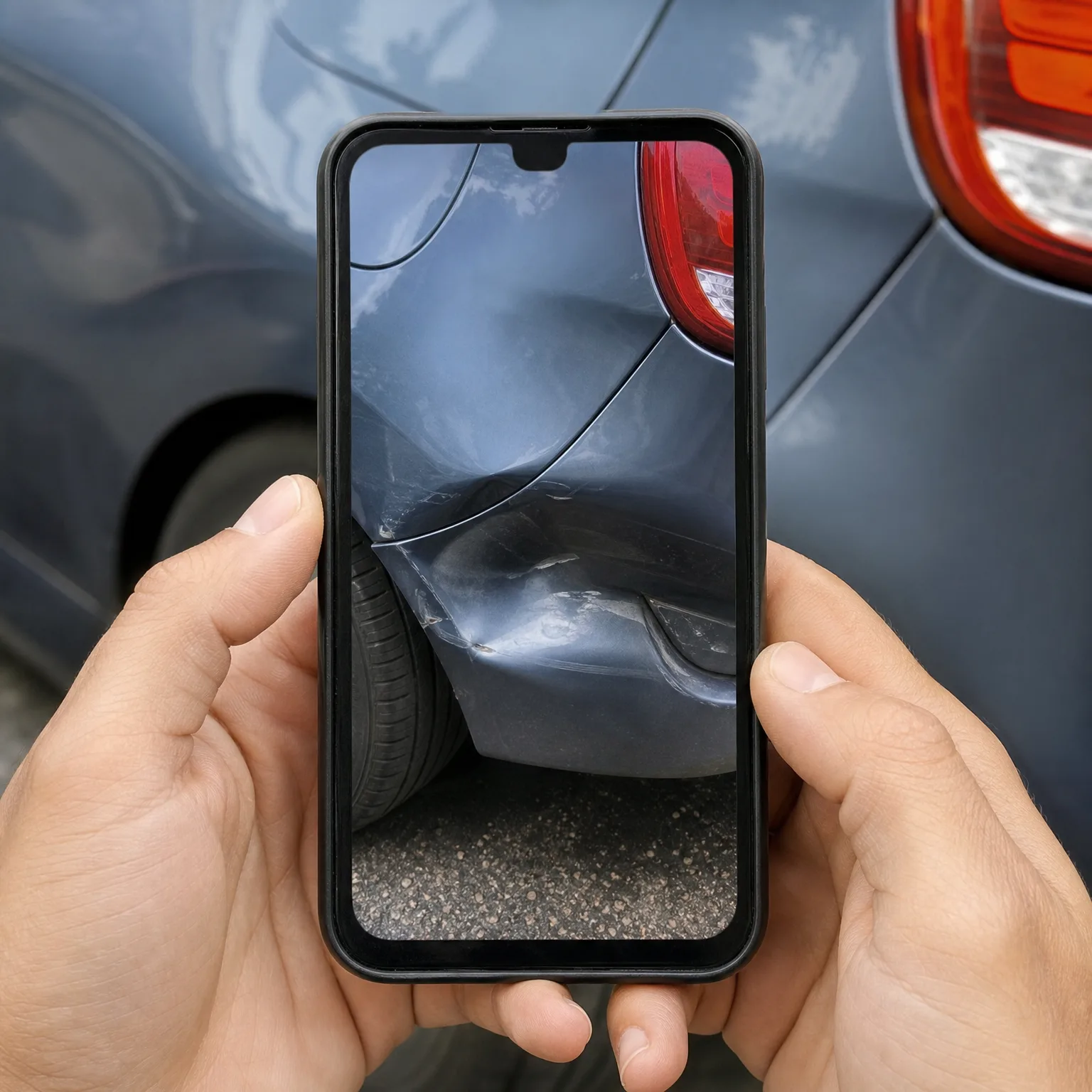
Is It Worth Keeping Full Coverage
Keep full coverage as long as the car is worth more than you'd be comfortable losing in a bad month.

Weigh these before you drop any coverage
- What the car is worth Look up what the car would actually sell for today, not what it cost new. If that number is low, paying for collision and comprehensive may cost more over time than just replacing the car would.
- What your parent can absorb If a totaled car would strain your parent's finances or yours, full coverage is protecting that gap. If replacing the car outright wouldn't be a hardship, the coverage matters less.
- How often the car is driven A car driven daily carries more risk of a claim than one that sits most of the week. Lower mileage can be a reason to shop the policy down, but check with the insurer since this varies.
- Who else is exposed If you're listed on the policy or the title, a claim can touch your finances too. Confirm how the policy is structured before deciding what to drop.
- What the lender requires If there's still a loan or lease on the car, full coverage is likely required, not optional. Check the loan terms before changing anything.

A parent with an older paid-off sedan
Your father has driven the same sedan for eleven years and paid it off long ago. You took over his bills last year and noticed the premium includes collision and comprehensive, which together cost more each year than what the car would fetch if it were totaled. He still drives it to church and the grocery store, nothing more.
You looked up the car's resale value and compared it to a year of those two coverages. The math favored dropping collision and comprehensive and keeping liability, since the most he could lose by crashing it was the car itself, and he could cover that without much strain. You kept the policy active without a gap, switched the coverage, and set a reminder to revisit it if his driving habits or the car's condition change.

Once you know what the car is worth and what your parent can absorb, compare quotes with that coverage already decided.

Deciding whether to drop collision and comprehensive
If you do
You lower the monthly cost right away and stop paying more to insure the car than it's worth. If the car is totaled or stolen, you cover the replacement yourselves. That's fine if the car's value is low and the cost wouldn't strain your parent or you.
If you don't
You keep paying for coverage that may cost more each year than the car could ever return in a claim. The insurer pays out if the car is totaled, but only up to its current value, which may be close to what you'd have spent on premiums anyway.
Why the car's value decides this, not its age
Full coverage exists to protect against losing the car itself, through an accident, theft or damage from something like weather. The insurer will never pay out more than what the car is currently worth, no matter how much you're paying in premiums. That's the whole calculation. Once the yearly cost of collision and comprehensive gets close to what the car would fetch in a claim, the coverage stops making financial sense.
This has nothing to do with how old your parent is or how well they drive. An older car driven carefully can still be worth keeping fully covered if it holds real value, and a newer car can be a clear case for dropping coverage if it's already depreciated fast. What matters is the number, not the story around the car.
There are cases where the math isn't the only factor. If a lender still holds the loan, they'll usually require full coverage regardless of what you'd choose otherwise. And if losing the car entirely would be a real hardship for your parent, even a small payout is worth protecting, even when the car's value is modest.
The other variable is how exposed you are. If your name is on the title or the policy, a claim involving your parent's car can affect your own record or finances. That's worth checking before you decide what to drop, since it can change the answer even when the car's value alone wouldn't.
What happens to the policy if my parent stops driving?
The policy doesn't have to end the moment your parent stops driving. If the car still exists and someone might drive it occasionally, you can usually shift to a lower level of coverage that protects the parked car without paying for the coverage built for an active driver.
If the car is going to sit unused for a long stretch, ask the insurer about a reduced policy meant for exactly that, usually covering theft or damage but not collision. If the car is being sold or given away, you'll want to cancel or transfer the policy formally rather than let it lapse, since a lapse can affect future rates even for other cars on the same policy.