Is Medical Payments Coverage Worth It
Yes, especially for an older parent, because it pays medical bills fast without arguing over who caused the crash.

What medical payments coverage actually does for your parent
- Pays regardless of fault It covers your parent's medical bills even if they caused the accident. That matters because fault disputes can take months to settle, and bills arrive now.
- Covers passengers too If your parent drives a friend or a grandchild and there's a crash, this coverage can pay for their injuries as well. Ask the insurer exactly who counts as a covered passenger.
- Fills health insurance gaps Medicare and supplement plans don't always cover everything right away, especially copays and deductibles after a crash. This coverage can pay those costs while the bigger claim gets sorted out.
- Works alongside health plans It doesn't replace your parent's health insurance, it pays first or fills in alongside it depending on the state. Check your state's rules on how the two interact before assuming either one.
- Costs little by comparison It's one of the cheaper additions to a policy given what it can pay out. Ask for a quote with and without it so you can see the real difference for your parent's situation.

The short version
Medical payments coverage is worth adding for an older parent because it pays medical bills quickly, no matter who caused the accident, which matters most right after a crash. It works alongside health insurance rather than replacing it. Get a quote that includes it and compare the cost against the protection before deciding.

When a fender bender turned into a hospital bill
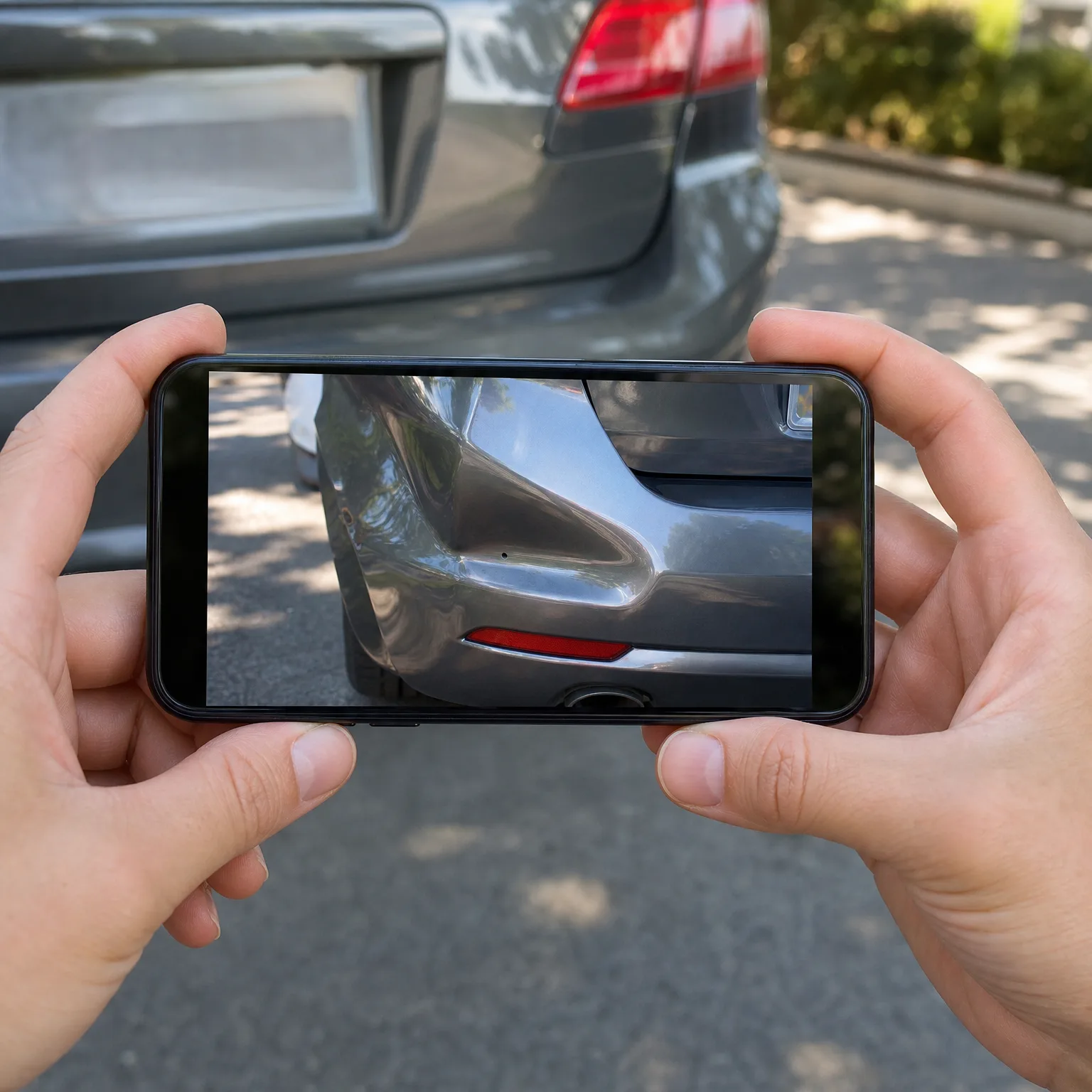
Your parent is rear-ended at a stop sign. Not their fault, clearly the other driver's. But the jolt aggravates an old back injury, and they end up in urgent care that afternoon, then physical therapy for weeks after. The other driver's insurance will eventually pay out, but only after an investigation and negotiation that drags on.
Because your parent's policy includes medical payments coverage, those urgent care and therapy bills get paid right away, without waiting on the other driver's insurer to admit fault or finish their review. You handle the paperwork, submit the bills, and the claim moves fast because fault isn't part of the question. Months later, when the other driver's insurance finally settles, any costs already paid don't need to be paid twice. Your parent gets care without a gap in the middle, and you aren't stuck covering bills out of pocket while everything else gets sorted.
Now that you know why this coverage matters, compare quotes that include it for your parent's policy.
Why this coverage matters more as people age
Medical payments coverage exists to solve a timing problem. After a crash, bills show up immediately, but figuring out who's at fault and getting that insurer to pay can take weeks or months. This coverage sidesteps that entirely by paying out regardless of fault, which is exactly the kind of certainty that matters when someone is older and recovery time is already a bigger concern.
The real value shows up in the combination of age and risk. Older drivers tend to have higher medical costs after even minor accidents, because injuries that would be minor for a younger person can mean a hospital stay or extended therapy for someone in their seventies or eighties. Health insurance and Medicare supplements don't always move fast, and copays or deductibles can add up before anything is reimbursed. This coverage closes that gap without your parent or you fronting the money.
It also matters because fault isn't always clear right away, and sometimes it's never fully resolved. If your parent is partially at fault, or the other driver is uninsured or underinsured, relying solely on someone else's insurance to pay medical bills is a gamble. Medical payments coverage removes that gamble for the medical piece specifically, even if the rest of the claim takes a long time to settle.
Where it works out differently depends on your state and your parent's existing health coverage. Some states require a minimum amount of this coverage, others don't offer it at all and use a different system instead. If your parent already has strong health insurance with low deductibles, the value is smaller but still useful for the immediate cash flow problem after a crash. Check what your state allows and how your parent's health plan handles accident-related bills before deciding how much coverage makes sense.

Does medical payments coverage affect my parent's health insurance or Medicare?
No, it doesn't replace or cancel anything, it works alongside Medicare or any health plan your parent has. The two usually coordinate so bills aren't paid twice, with one paying first and the other covering what's left. Check with your parent's health insurer on their specific coordination rules, since this varies by plan and sometimes by state. If your parent has a supplement plan with low out of pocket costs already, the practical benefit may be smaller.
Should I add my parent to my own car insurance policy instead of keeping theirs separate?
It depends on whether your parent still drives regularly and whose name is on the car's title. If your parent owns the car and drives it themselves, keeping the policy in their name usually makes more sense and preserves their independence. Adding them to your policy can make sense if they've moved in and share a vehicle with you. Ask an insurer directly how they handle a parent as a listed driver versus a co-owner, since rules differ by company.
What happens to my parent's car insurance if they stop driving but keep the car?
The policy can usually be adjusted to a lower coverage level meant for a parked, unused vehicle, rather than cancelled outright. This protects against theft, fire or damage even if no one is driving it regularly. Ask the insurer specifically about a non-operational or storage designation, since not all insurers call it the same thing or handle it the same way. If the car will be sold or given away soon, ask what the timeline looks like for cancelling coverage without a lapse.