Medical Payments vs PIP Auto Insurance
PIP covers medical costs and lost income no matter who caused the crash, while medical payments coverage only pays medical bills.
When a doctor's bill arrives after a fender bender
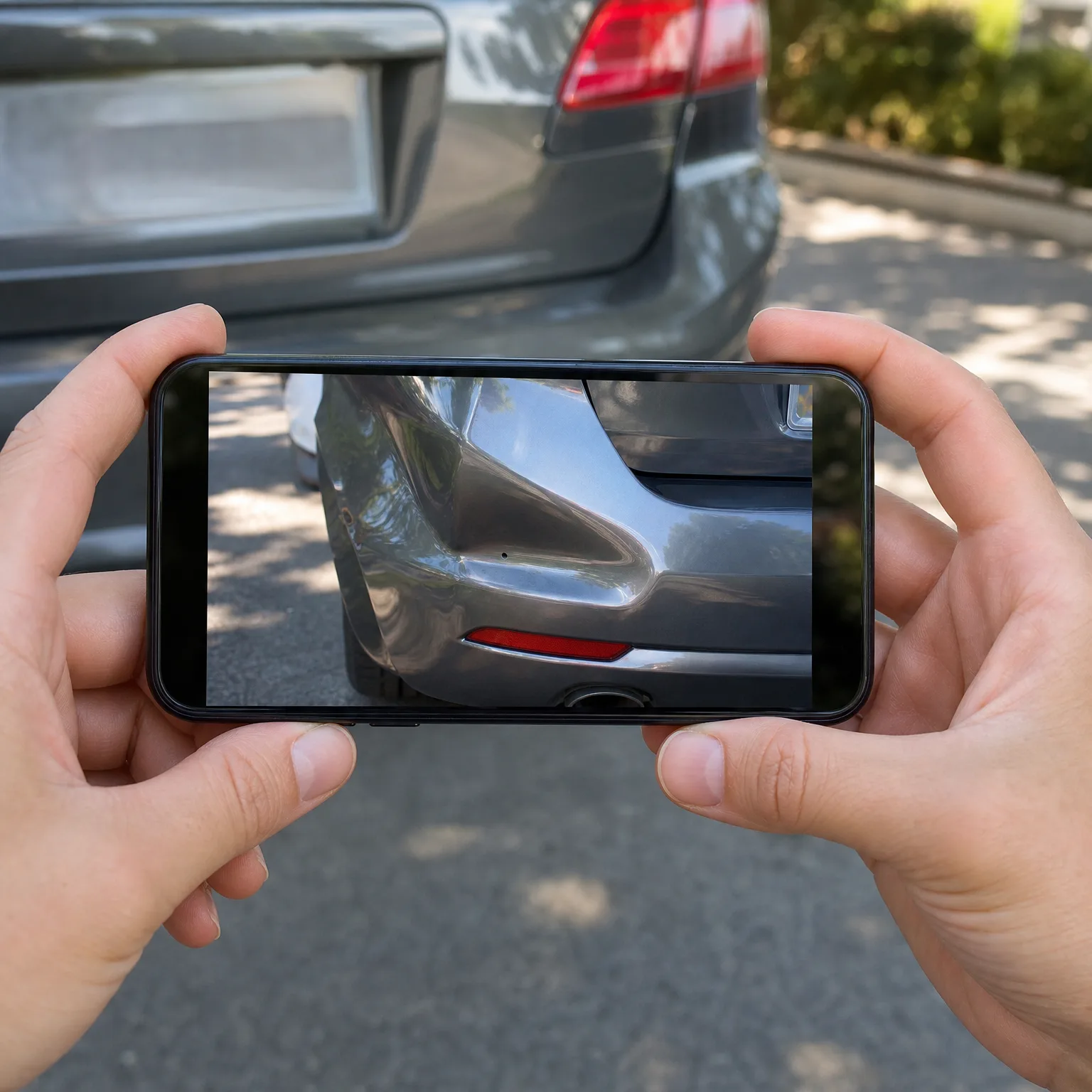
Your father was stopped at a light when another driver hit him from behind. He went to urgent care for neck pain, and a week later a bill showed up in his mail. You had taken over his insurance paperwork a few months earlier but hadn't looked closely at what his policy actually covered beyond liability.
You called his insurer and learned his state required PIP, which was already paying the urgent care bill and would also cover a portion of his lost time if he still worked. There was no need to involve the other driver's insurance or wait on a fault determination. You wrote down which coverage paid for what, in case something larger came up later, and felt better knowing the next bill wouldn't require you to track down who was at fault first.
The short version
PIP pays medical costs and sometimes lost wages no matter who caused the crash, while medical payments coverage only pays medical bills. Which one applies depends on your parent's state. Check the declarations page or call the insurer to see which one your parent has and what it pays for.
Does it matter which one my parent has if they rarely drive anymore?
Yes, because both coverages can apply even when your parent is a passenger in someone else's car or a pedestrian struck by a vehicle. Reduced driving doesn't reduce the usefulness of this coverage, since the protection follows your parent as a person in many cases, not just as a driver.
If your parent has scaled back driving, it may be tempting to assume this coverage matters less. But the risk that makes PIP or medical payments coverage worthwhile, getting hurt in or around a vehicle, doesn't go away just because they drive less. Check the policy language on who and what is covered before deciding to reduce or drop it.
Once you know which coverage your parent's policy carries, compare quotes to make sure it still fits their situation.

Checking what your parent's policy actually has
If you do
You'll know exactly how medical bills from a crash get paid, whether your parent is at fault or not. You can explain it to them simply, catch any gaps, and avoid surprise bills landing in the mail with no clear next step for either of you.
If you don't
You may not find out what's covered until a bill arrives, and you'll be scrambling to understand the policy while also dealing with your parent's recovery. If the state requires PIP and the policy lacks it, that gap only becomes visible after something has already gone wrong.
What to check on your parent's policy
- State requirement Some states require PIP by law while others make it optional or don't offer it at all. Find out which applies to your parent's state before assuming either coverage exists.
- What's actually covered PIP often includes lost wages and sometimes household help, while medical payments coverage usually covers medical bills only. Read the declarations page or ask the insurer directly rather than guessing.
- Fault doesn't matter for either Both coverages pay regardless of who caused the accident, unlike liability coverage. This matters if your parent is ever in a crash where fault is unclear or disputed.
- Covers more than driving Many policies extend PIP or medical payments coverage to your parent even when they're not driving. Confirm this detail since it affects how much protection they have day to day.
- Overlap with health insurance If your parent has strong health coverage already, medical payments coverage might duplicate it, while PIP often adds wage and other benefits health insurance won't. Compare what each one actually adds before deciding what to keep.
Can my parent have both PIP and medical payments coverage at the same time?
In some states, yes, though many insurers limit this or structure the policy so one applies before the other. Check with the insurer directly since rules vary by company and by state, and ask specifically how the two would work together if your parent were ever injured in a crash.
Does PIP cover my parent if they're a passenger in my car?
Often yes, since PIP is typically tied to the person, not just the vehicle, but this depends on the specific policy and state. Check your parent's policy and your own to see which one would apply first if you were both in the same crash.
What happens to this coverage if my parent stops driving entirely?
The coverage can often stay in place as long as the policy is active, since PIP and medical payments coverage may still protect your parent as a pedestrian or passenger. Ask the insurer what changes, if anything, once your parent is no longer a listed driver, since some policies adjust pricing or terms based on driving status.