Should I Have Full Coverage on a 13 Year Old Car
The answer depends on what the car is worth now and whether that amount still matters to your parent, not on how old it is.
Why the car's age isn't the real question
Full coverage means two separate things layered on top of each other. Liability pays for harm to others. Collision and comprehensive pay to repair or replace the car itself, up to what the car is worth. That second part is the one worth questioning as a car gets older, because what an insurer will pay out is capped at the car's value, and that value keeps dropping while the premium for carrying that coverage doesn't drop nearly as fast.
So the real question is simple. If the car were damaged beyond repair tomorrow, would the payout be enough to matter, and could your parent absorb the loss without it? If the payout would be small and replacing the car isn't essential, dropping collision and comprehensive can make sense. If losing the car would be a real hardship, even a modest payout is worth protecting.
This is also where a loan or lease changes things entirely. If the car is financed or leased, the lender almost always requires full coverage for as long as the balance exists, regardless of the car's age. Check the loan agreement before deciding anything.
State rules don't set this part. Only liability minimums are set by the state. Whether to carry collision and comprehensive is a choice, and insurers vary in what they'll quote for an older car, so get an actual number before guessing at what it costs or what it's worth dropping.
A car worth less than a year of premiums
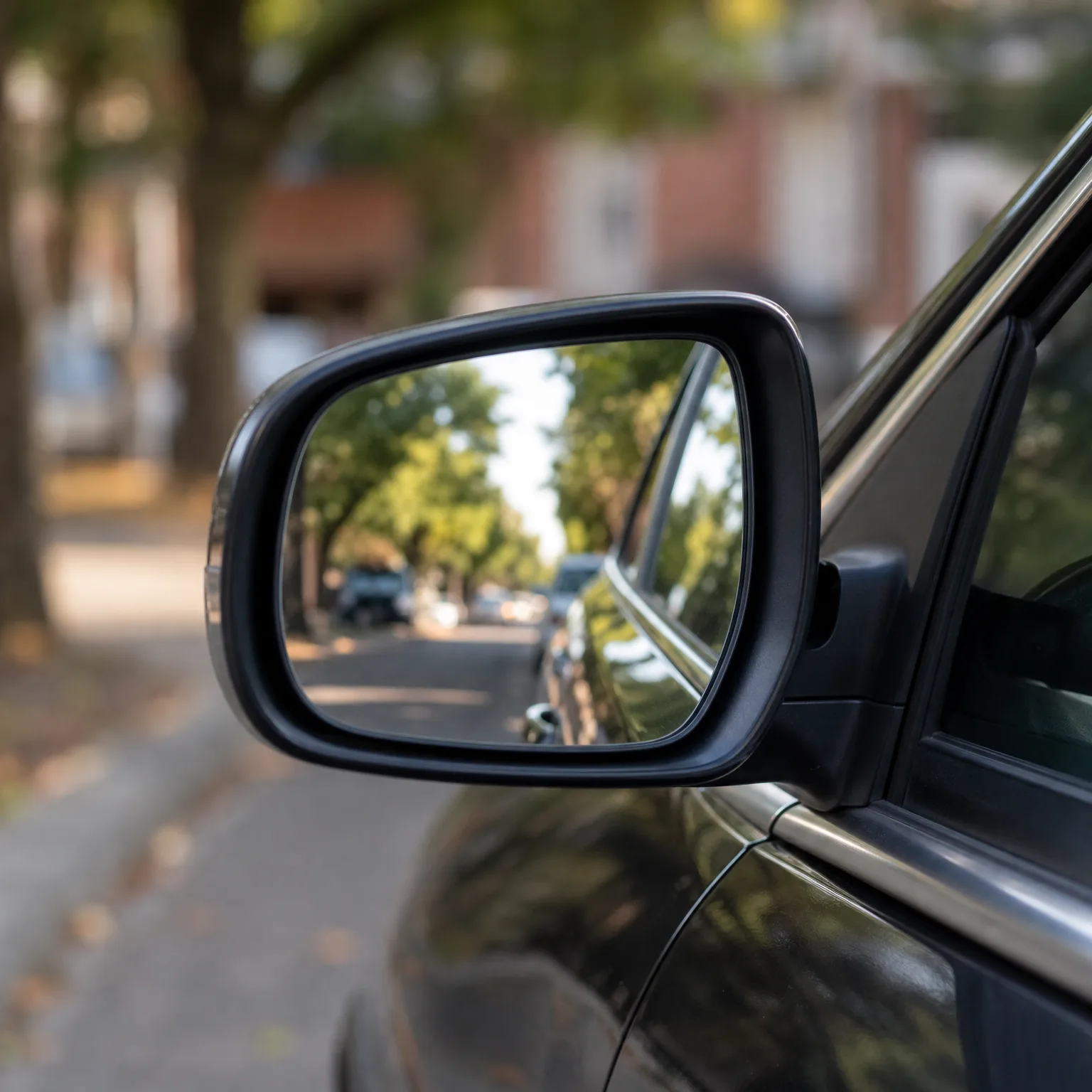
A reader in this situation called around and got a quote on their parent's sedan, now thirteen years old with no loan left on it. The collision and comprehensive portion of the premium, added up over a year, came close to what the car itself was worth on resale. The liability portion, which covers harm to others, stayed separate and wasn't in question either way.
They decided to drop the collision and comprehensive and keep liability in place, then set aside the difference in a small account earmarked for car repairs or a replacement if needed. A few months later a minor fender bender left the parent's car with a cracked bumper. Without collision coverage, they paid for the repair out of that same account, and it cost less than a single year's worth of the coverage they'd dropped. For this car, at this value, the math held up.

Compare quotes with liability and full coverage priced apart to see what dropping collision would actually save.

Whether to keep collision and comprehensive on the car
If you do
You keep protection against theft, fire, and major accidents, and a totaled car still gets replaced, at least partly. You keep paying premiums priced against a car that's worth less every year, which can mean paying more over time than the car could ever pay back if it were lost.
If you don't
You stop paying for coverage that, on an older car, may cost close to what it would ever pay out. If the car is stolen, totaled, or badly damaged, you cover that cost yourself. This only works if your parent could actually absorb that loss without real hardship.
What actually decides this, car by car
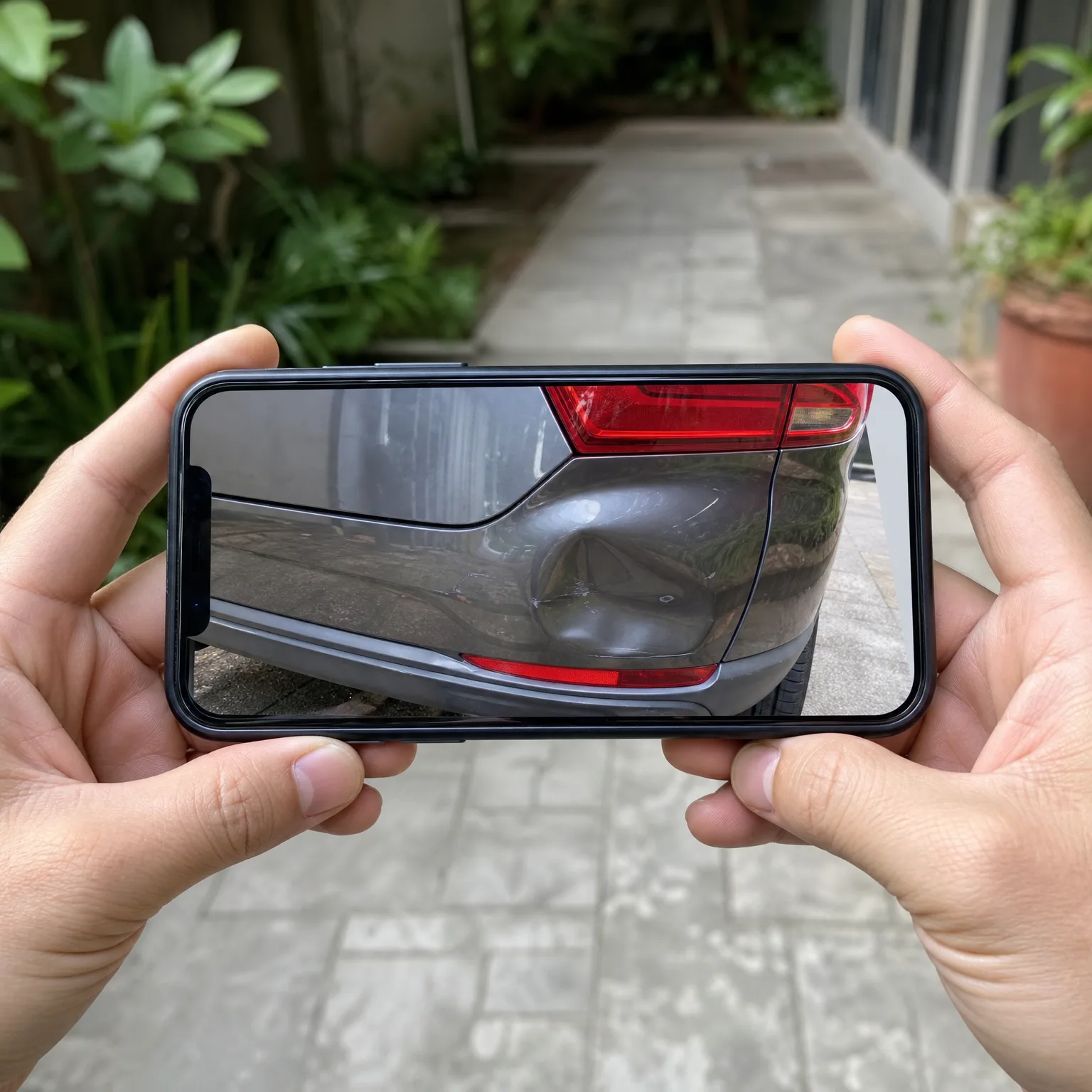
- Check the car's real value Look up what the car would actually sell for today, not what it cost new. This number is the ceiling on any payout and the real starting point for the decision.
- Check for a loan or lease If there's still a balance owed, the lender likely requires full coverage no matter the car's age. Read the loan agreement before changing anything.
- Price coverage types apart Ask for a quote that breaks out liability from collision and comprehensive. Compare that separate cost against the car's value to see if it's worth carrying.
- Weigh what a loss means Consider whether your parent could replace or repair the car without the payout. If losing the car would be a real hardship, keeping coverage protects against that, even if the payout is modest.
- Revisit this yearly A car's value keeps dropping and premiums don't always follow at the same pace. Recheck the numbers once a year rather than deciding once and leaving it.
This isn't about the car's age. It's whether the payout would still be worth the price of carrying coverage.