What Does Uninsured Motorist Coverage Not Cover
Uninsured motorist coverage skips car damage, injuries you caused others, and claims against drivers who did have insurance.
These situations fall outside uninsured motorist coverage
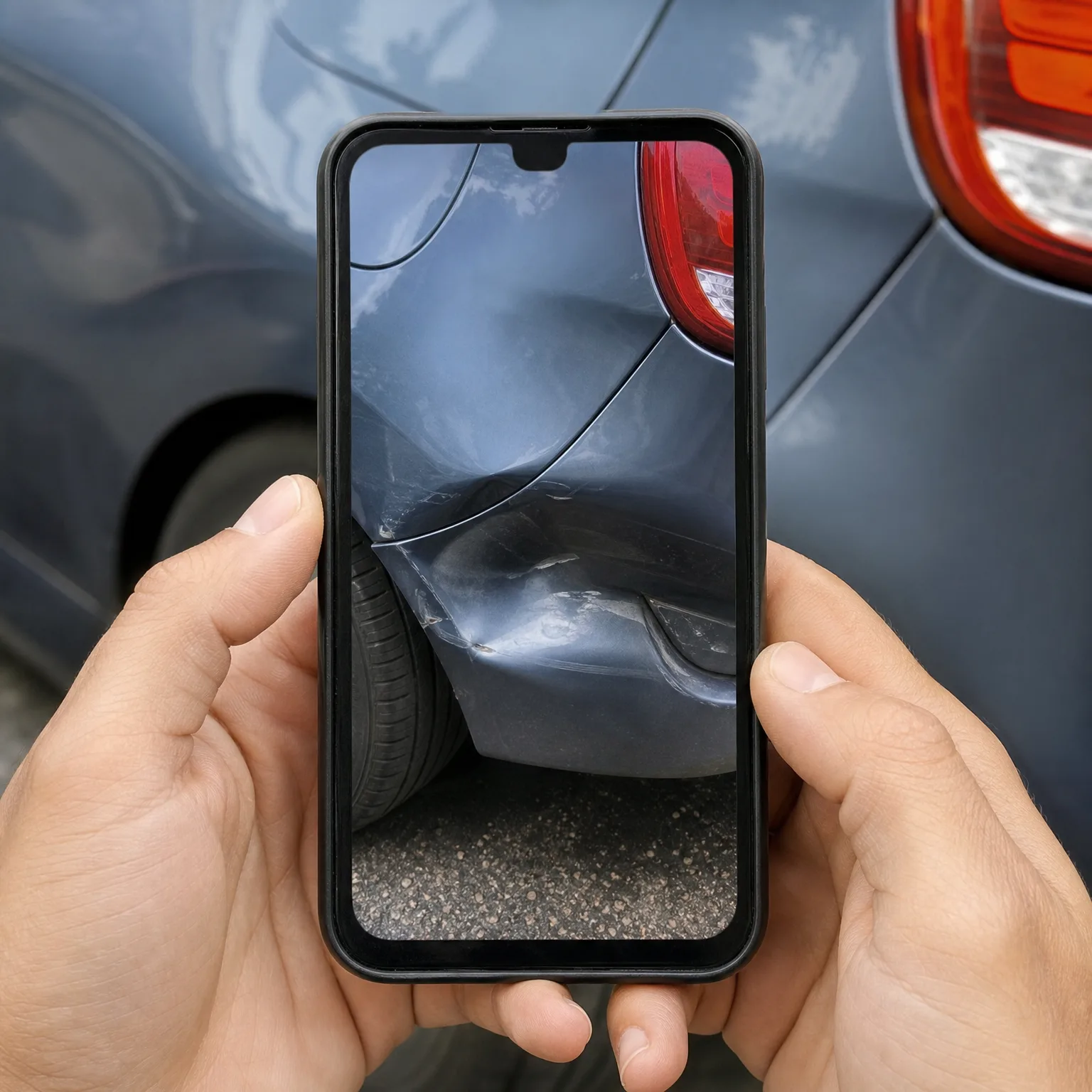
- Damage to the car This coverage pays for injuries, not vehicle repairs. If your parent's car gets hit by an uninsured driver, collision coverage is what fixes it, so check that it's on the policy.
- Your parent causing the accident This only responds when someone else hits your parent and has no insurance. If your parent is at fault, liability coverage on their own policy handles the other driver's costs.
- Drivers who have some insurance If the other driver is insured but their limits are too low to cover everything, that's a different coverage called underinsured motorist protection. Ask whether the policy has both, since they're often sold together but aren't the same.
- Property left at the scene Items damaged in the crash, like a wheelchair or mobility equipment, usually aren't paid through this coverage. Check if there's a separate way to claim those, since it matters more for an older driver.
- Delays in reporting Most policies require reporting the accident and the other driver's lack of insurance fairly quickly. If your parent is shaken up or unsure what happened, help them document it right away so a claim isn't denied later.
Does my parent even need this coverage if I'm already watching out for them?
Yes, because this coverage protects against other people's choices, not your parent's driving. No amount of attentiveness on your part stops another driver from being uninsured. If that driver causes an accident, your parent needs their own policy to cover medical costs and lost income, because the at-fault driver has nothing to pay with.
This matters more, not less, as your parent ages. Recovery from an accident tends to take longer and cost more for an older adult, and that gap is exactly what this coverage exists to close. Whether it's required or optional depends on the state, so check the policy itself or ask the insurer directly. Don't assume it's already included just because other coverage is.

Whether you check what this coverage actually includes
If you do
You'll know exactly what's protected and what isn't, and you can add collision or underinsured coverage if there are gaps. If your parent is ever hit by someone without insurance, you won't be scrambling to figure out what's covered while also handling the accident itself.
If you don't
You may assume this one coverage protects against everything bad that could happen on the road. If an uninsured driver causes damage to the car, or the other driver turns out to be underinsured rather than uninsured, you could find out there's no coverage at the worst possible moment.
Once you know what this coverage leaves out, compare quotes that close those specific gaps.
When a low-limit driver isn't the same as no driver
A reader's father, eighty-one, was stopped at a light when another car rear-ended him. The other driver had insurance, so the reader assumed it was a straightforward claim. But the driver's liability limits were low, and the medical bills from the father's injuries went well past what that policy would pay.
The reader called the father's insurer expecting uninsured motorist coverage to fill the gap, and found out it only applies when the other driver has no insurance at all. The policy did have underinsured motorist coverage as well, added years earlier, and that was what actually paid the remaining bills. The reader now keeps a copy of the declarations page on hand, specifically to check which of these two coverages are active before any claim starts, rather than during one.
Why this coverage draws such a narrow line
Uninsured motorist coverage exists to stand in for a policy that doesn't exist. It pays what the at-fault driver's liability coverage would have paid, if they'd had any. That's why it's limited to injuries, since liability coverage itself is about injuries to others, not repairs to your own car.
Repairs to the vehicle fall under collision coverage instead, because that's a different kind of promise. Collision coverage pays for damage to your parent's car no matter who caused it, which is why it's a separate line item with its own cost. The two coverages solve different problems even though they often get triggered by the same accident.
The line between uninsured and underinsured is also about precision. An insurer calculates risk differently for a driver with zero coverage versus a driver with some coverage that simply isn't enough. States handle this differently too, some combine the two into a single coverage and others keep them separate, so the policy language your parent has depends on where they're insured.
Where this plays out differently is in how claims get processed. Some insurers require your parent to first exhaust the at-fault driver's coverage before this one pays anything, while others let the claim move forward in parallel. That detail changes how long a claim takes to resolve, so it's worth asking the insurer directly rather than assuming based on how another policy worked.