What to Do After a Fender Bender
Stop, check on everyone involved, document the scene, and report the accident to the insurer before deciding anything else.
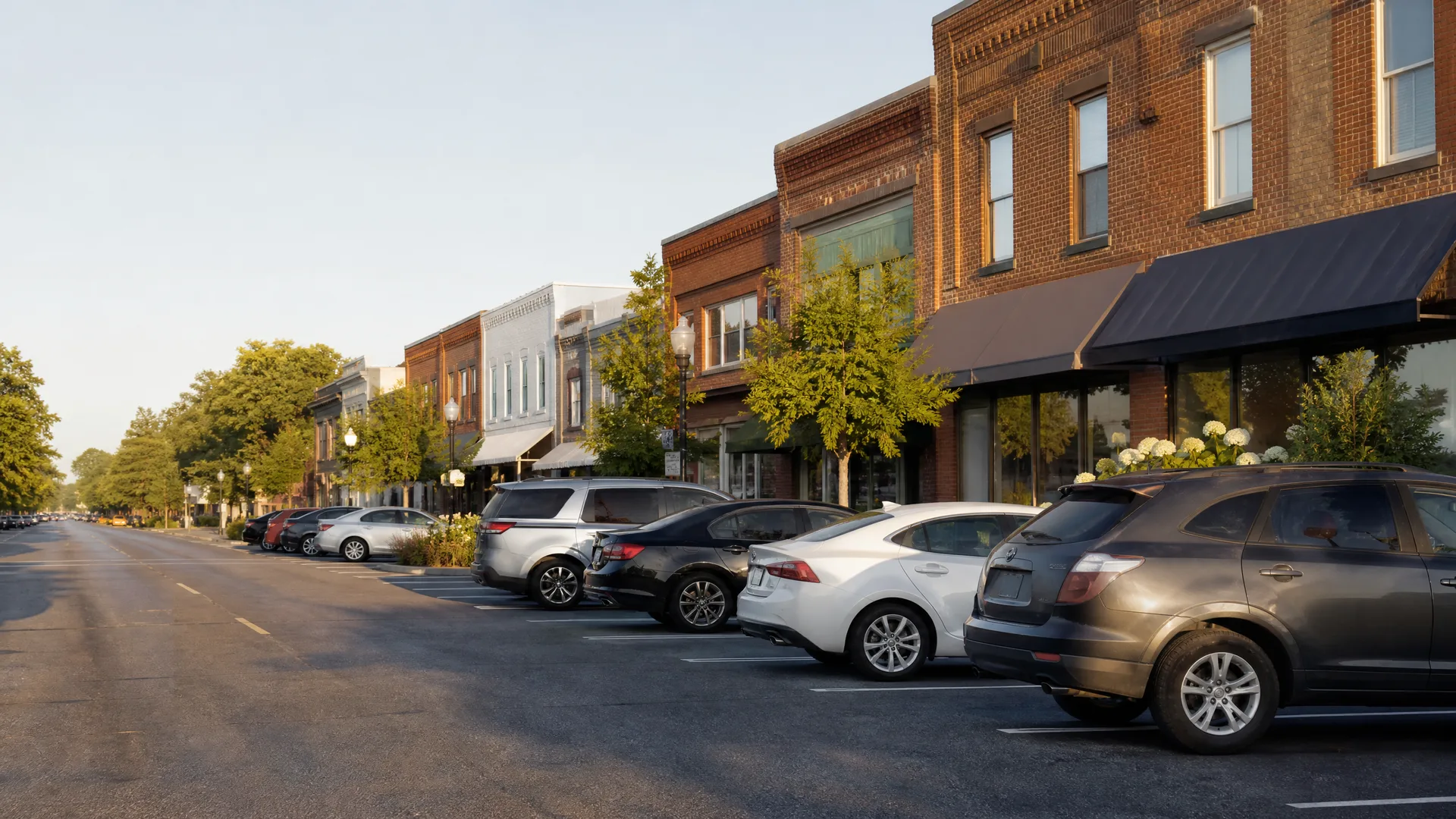
A parking lot tap with no clear damage
Your father backs into a parked car at the grocery store. Both drivers get out, and the other car has a small scrape on the bumper. He's shaken but unhurt, and he calls you before doing anything else because he isn't sure what to say or whether to involve his insurance at all.
You walk him through it over the phone. You tell him to take pictures of both cars, exchange insurance and contact information with the other driver, and avoid admitting fault out loud even if he feels bad about it. He calls the insurer that afternoon to report what happened, and because he reported it the same day with photos and the other driver's information, the claims process moves quickly and there's no dispute about what occurred. A few weeks later the claim closes with the damage paid for, and your father's policy stays in his name throughout, with you simply having helped him through the steps.
Will this accident mean your parent needs to stop driving?
One fender bender doesn't answer that question by itself. An accident caused by a stuck pedal, a blind spot, or another driver's mistake is different from one that reveals slowed reflexes, confusion about where they were, or trouble judging distance.
Pay attention to how the accident happened and how your parent describes it afterward. If the account is clear and the cause makes sense, this was likely just an accident, the kind any driver can have. If something about the story feels off, or if this is the second or third incident in a short stretch of time, that's a separate conversation worth having calmly, on its own, not as a punishment attached to this claim.
What gets said at the scene matters more than the damage itself, so help your parent stay quiet on fault.
Once the claim is reported and handled, compare quotes to confirm your parent's policy still fits their driving.

Whether your parent reports the accident right away
If you do
The insurer has photos, a timeline, and both drivers' accounts while memories are fresh. Any disagreement about fault gets resolved faster, repairs get approved sooner, and your parent avoids the risk of a delayed report looking like it was hiding something.
If you don't
Details get fuzzy, the other driver may report first and shape the narrative, and some policies allow the insurer to question or deny a claim reported too late. Your parent ends up negotiating from a weaker position, and you end up untangling it after the fact.
Why the first hour matters more than anything after it
Insurance claims are built on evidence and timing. The company wasn't at the scene, so it relies on what gets documented right after the accident, photos, the other driver's information, and a prompt report. The earlier and clearer that record is, the less room there is for disagreement later about who did what.
This is also why admitting fault at the scene matters so much, even when someone feels like they should apologize out of politeness. Fault gets determined by the insurer and sometimes the police, based on the facts, not based on who said sorry first. An apology doesn't carry legal weight, but it can still show up in a claim file and complicate things unnecessarily.
Whose policy handles the claim depends on who was driving and whose name is on the car and the insurance. If your parent was driving their own insured car, their policy responds, regardless of who helped them make the call or fill out the forms afterward. You can assist with the process without it becoming your claim or affecting your own coverage.
What varies is whether police attendance is required for minor damage, how long you have to report a claim, and whether the state requires exchanging information in a specific way. Check your parent's state rules and their policy's own reporting window, since insurers differ on how quickly they expect to hear about an accident.