What Will an Umbrella Policy Not Cover
An umbrella policy won't cover intentional acts, business losses, contract disputes, or claims below your underlying auto policy's limit.
Five things an umbrella policy leaves uncovered
- Your own property damage It pays for harm you cause to others, not repairs to your parent's car or your own. Keep collision and comprehensive coverage in place for that.
- Claims under the base limit The umbrella only starts paying after the auto policy's liability limit is used up. Check that your parent's underlying limits meet what the umbrella insurer requires.
- Intentional or criminal acts If your parent is found to have caused harm on purpose, there's no coverage at all. This matters if a driving incident ever involves reckless or willful conduct.
- Business use of the car If your parent still drives for pay or runs errands for a business, that use may be excluded. Ask the insurer directly if any paid or business driving is involved.
- Someone not listed as a driver If an unlisted or unapproved driver, like a caregiver or grandchild, causes an accident in the car, the umbrella may deny the claim. Make sure everyone who drives regularly is named on the auto policy.
When the umbrella didn't help as much as expected
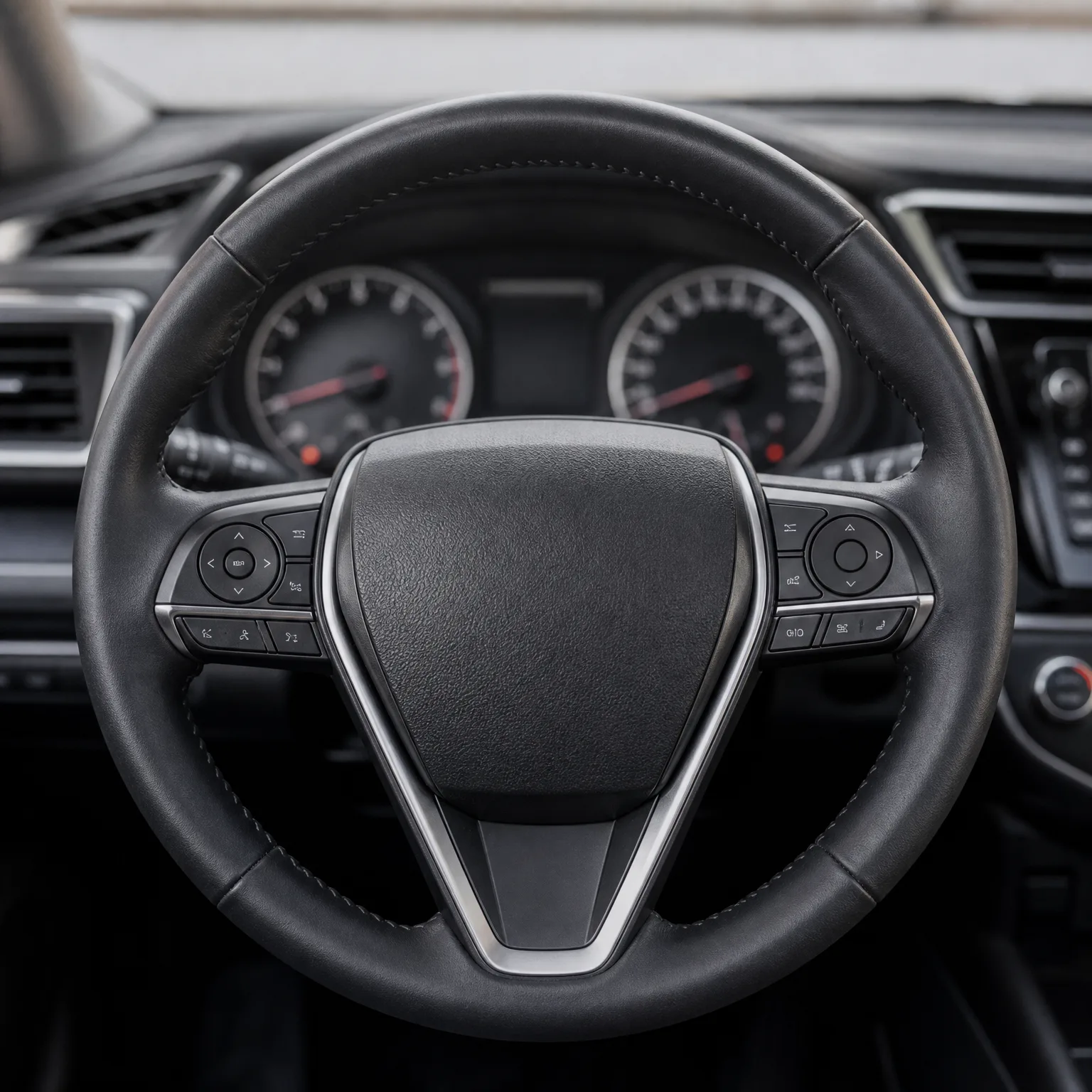
A woman took over her father's insurance after he moved into her house. His auto policy had modest liability limits, and she added an umbrella policy thinking it would cover any gap. A few months later, he backed into a parked car and the damage, plus a minor injury claim, came close to his auto policy's limit but didn't exceed it.
She learned then that the umbrella only applies once the underlying policy is exhausted. Because the claim stayed just under that limit, the umbrella paid nothing and the auto policy handled it all. She raised her father's liability limits afterward so the umbrella would actually kick in if a bigger claim ever happened, and she understood for the first time that the two policies work as a team, not as separate safety nets.
Now that you know what the umbrella won't do, compare quotes to make sure the policy underneath it is strong enough.

Whether you raise your parent's underlying liability limits
If you do
Their auto and home limits meet what the umbrella requires, so the umbrella actually applies if a serious claim exceeds those limits. You've closed the gap between the two policies and know the umbrella will function as intended if something big happens.
If you don't
A serious claim could land in the gap between the auto limit and the umbrella's starting point, leaving nobody to pay the difference. You could find out only after an accident that the umbrella never activated, and your parent or you could be personally responsible for the rest.
Why umbrella coverage only steps in after everything else is used up
An umbrella policy exists to extend liability protection beyond what a regular auto or home policy provides, not to replace it. Insurers design it this way because it's meant for catastrophic situations, the rare case where a judgment or settlement is larger than anyone expected. That's why it has almost no value unless the underlying policies are strong enough to absorb the smaller, more common claims first.
This is also why intentional acts, business use, and contract disputes are excluded almost universally. Insurers want to cover accidents, not decisions. A deliberate act removes the randomness that liability insurance is built around, and business activity shifts the risk into a different category that usually needs its own commercial policy.
Where this gets specific to your situation is the question of who's listed as a driver and what the underlying policy requires. Some insurers require a minimum liability limit on the auto policy before they'll even issue an umbrella policy, and that minimum differs by company. If your parent's policy limits were set years ago and haven't been revisited, there's a real chance the umbrella sits on a foundation that's too thin to trigger properly.
The exceptions worth checking are state-specific too. A few states limit how liability extends to resident relatives or non-owner drivers, and that can affect whether you, as a child managing the policy, are protected if you drive the car yourself. Ask the insurer directly how the umbrella treats anyone in the household who isn't the named policyholder.
Does the umbrella policy cover me if I drive my parent's car?
Usually yes, as long as you're a permitted driver on the underlying auto policy and the accident isn't intentional or business-related. The umbrella follows the same household and permission rules as the base policy, so if you're authorized to drive the car, you're generally covered up to the umbrella's limit once the auto policy's liability is used up.
The catch is that some insurers define household members and permitted drivers narrowly, especially if you don't live with your parent. If you drive their car only occasionally, ask the insurer whether that counts as regular use, because a few companies want anyone who drives often enough added to the policy by name. Getting that answer before an accident happens is what actually protects you, not after.