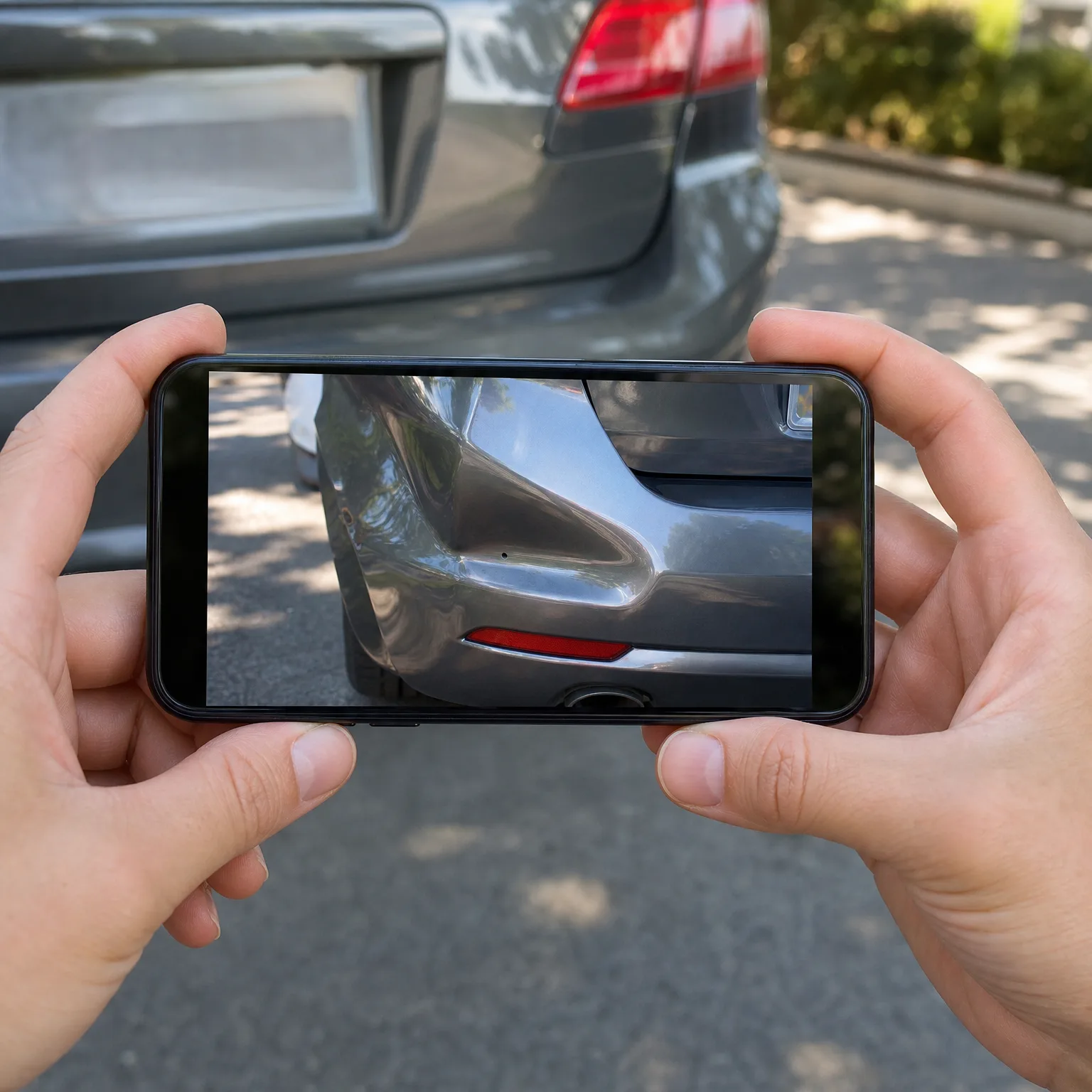
Who Is Liable to Passengers Who Are Hurt in a Car Accident
Liability for a hurt passenger usually falls on whichever driver caused the crash, and that driver's policy pays first.
Fault decides whose policy answers first
Car insurance is built around fault. When a passenger is hurt, the insurer for whichever driver caused the accident is generally the one responsible for covering that injury, whether the passenger was riding with your parent or in the other car. If your parent caused the crash, their policy is what responds, not yours, even if you've taken over paying the bill or managing the paperwork.
What changes the picture is whose name is on the policy and how much coverage it carries. If your parent is the listed driver and owner, their policy limits are what's available to an injured passenger, including a family member riding along. If those limits are too low to cover the injury, the passenger can look beyond the policy, which is one reason coverage amounts matter more as a parent ages and drives less often.
Some states also allow a passenger who is a relative to make a claim against the same policy that covers the driver, while others limit that depending on who owns the car and who lives in the household. This is one of the clearest places where state rules diverge, so it's worth checking directly with the insurer or state insurance office how your parent's state treats injured relatives riding in the car.
Your own involvement, like handling bills or being listed as a contact, doesn't make you liable. Liability follows the driver and the policy, not whoever manages the account. The exception is if you are added to the policy as a driver yourself and you are the one behind the wheel when the accident happens.

The short version
The driver who caused the accident is liable, and their insurance pays first, regardless of who manages the policy. Your parent's coverage limits determine how much is available to an injured passenger. Check those limits now, before an accident forces the question.
What actually determines who pays
- The at-fault driver Liability almost always starts with whoever caused the crash. If that's your parent, their policy is the first and usually only source of payment.
- Policy limits, not policy owner How much the policy pays depends on its limits, not who's listed as the owner. Check your parent's current limits rather than assuming they're adequate.
- Passengers who are relatives Some states treat injured family passengers differently than strangers in the car. Ask the insurer directly how a relative riding along would be handled.
- Your own policy status Being added as a driver on your parent's policy can make you liable if you're driving, but managing their account or bills does not.
- Gaps beyond the limits If an injury costs more than the policy covers, the passenger can pursue the driver personally. This is why raising limits is worth considering as risk increases.
Knowing how liability and limits work now, compare quotes to see what better coverage for your parent would cost.
Could I be held liable if I'm not the one driving my parent's car?
Generally no. Liability for a car accident follows the driver, not the person managing the insurance or helping with bills. If you aren't behind the wheel and aren't listed as a driver on the policy, an injured passenger's claim goes against your parent and their insurer, not you.
This changes if you are added to the policy as a driver and you cause an accident while driving, or if you own the car yourself and someone else is driving it with your permission, since some states hold car owners partly responsible in that situation. If you've taken over the car's title or registration, it's worth checking how your state treats owner liability separately from driver liability, because that's one detail that varies and is easy to overlook when you're focused on the policy itself.

Should I add my parent to my own car insurance policy?
Only if they regularly drive your car, not just as a way to manage their coverage. Insurers generally require you to insure a car under the name of its primary driver and owner, so adding your parent to your policy makes sense if they drive your vehicle, but it doesn't replace a separate policy for their own car. Ask the insurer directly how they define a regular driver, since that determines whether this is required or optional.
What happens to my parent's policy if they stop driving?
The policy can usually be adjusted or cancelled, but the right move depends on whether they still own the car. If they keep the car but stop driving, many insurers offer reduced coverage for a parked, unused vehicle, which is cheaper than full coverage but keeps it protected. If they sell or give up the car entirely, the policy can typically be cancelled, though check for any refund or fee tied to ending it early.
Am I responsible for my parent's accident if I co-signed their car loan?
Co-signing a loan makes you financially responsible for the debt, not for accidents caused while driving. Liability for a crash is separate from loan responsibility, so co-signing alone doesn't expose you to a passenger's injury claim. The exception would be if you're also listed as an owner or registered driver of the car, so check the title and registration, not just the loan paperwork, to know where you actually stand.