Who Pays for a Hit and Run Accident
Your own policy pays, through uninsured motorist or collision coverage, since the other driver can't be found to bill.
Insurance pays because the other driver vanished
A hit and run means there's no one to send the claim to. The driver who caused the damage is gone, so the system falls back on whatever coverage is already attached to the car that got hit. That's why the policy on your parent's car matters so much here, more than it would in a normal accident where the other driver's insurance picks up the cost.
Two kinds of coverage usually do the work. Uninsured motorist coverage treats a driver who fled the same as a driver with no insurance at all, since in both cases there's no other policy to collect from. Collision coverage pays for damage to the car regardless of who caused it or whether they're ever identified, as long as that coverage is on the policy.
If the policy has neither, your parent could be left paying out of pocket for repairs. This is worth checking now, before anything happens, because adding coverage after a loss does nothing for that loss. Look at the declarations page or call the agent and ask directly whether uninsured motorist property damage and collision are both included.
What counts as proof and how fast you need to report it varies by state and by insurer, so check the policy and your state's rules rather than assuming. Some states also route hit and run claims differently if the damage was to a person rather than the car. The core idea stays the same everywhere though. Your own coverage is what responds when the other driver can't be found.

What actually determines the payout
- Uninsured motorist coverage This is the coverage that treats a fleeing driver like an uninsured one. Confirm it's on the policy, since some policies skip it unless it's specifically added.
- Collision coverage This pays to repair the car no matter who's at fault or found. Check if it's listed, especially if the car is older and the coverage was dropped to save money.
- A police report Insurers usually want an official report filed quickly as proof this was a real hit and run. File one right away, even if the damage looks minor.
- Who's named on the policy The claim goes through whoever's policy is on the car, not whoever was driving. Make sure you know whose name is on it before you need to use it.
- Any deductible that applies Even with the right coverage, your parent may still owe a deductible before the insurer pays the rest. Ask what that amount is so there's no surprise later.
Compare quotes to make sure your parent's policy actually includes the coverage a hit and run depends on.

Checking the coverage now versus waiting
If you do
You find out exactly what's on the policy before anything happens. If uninsured motorist or collision coverage is missing, you can add it right away. If your parent is ever hit and the driver flees, you already know what's covered, so there's no scramble or surprise bill later.
If you don't
You won't know what's covered until a claim is already underway, which is the worst time to learn there's a gap. If the policy lacks uninsured motorist or collision coverage, your parent could face the full repair cost alone, on top of sorting through police reports and a damaged car.
A parked car hit overnight
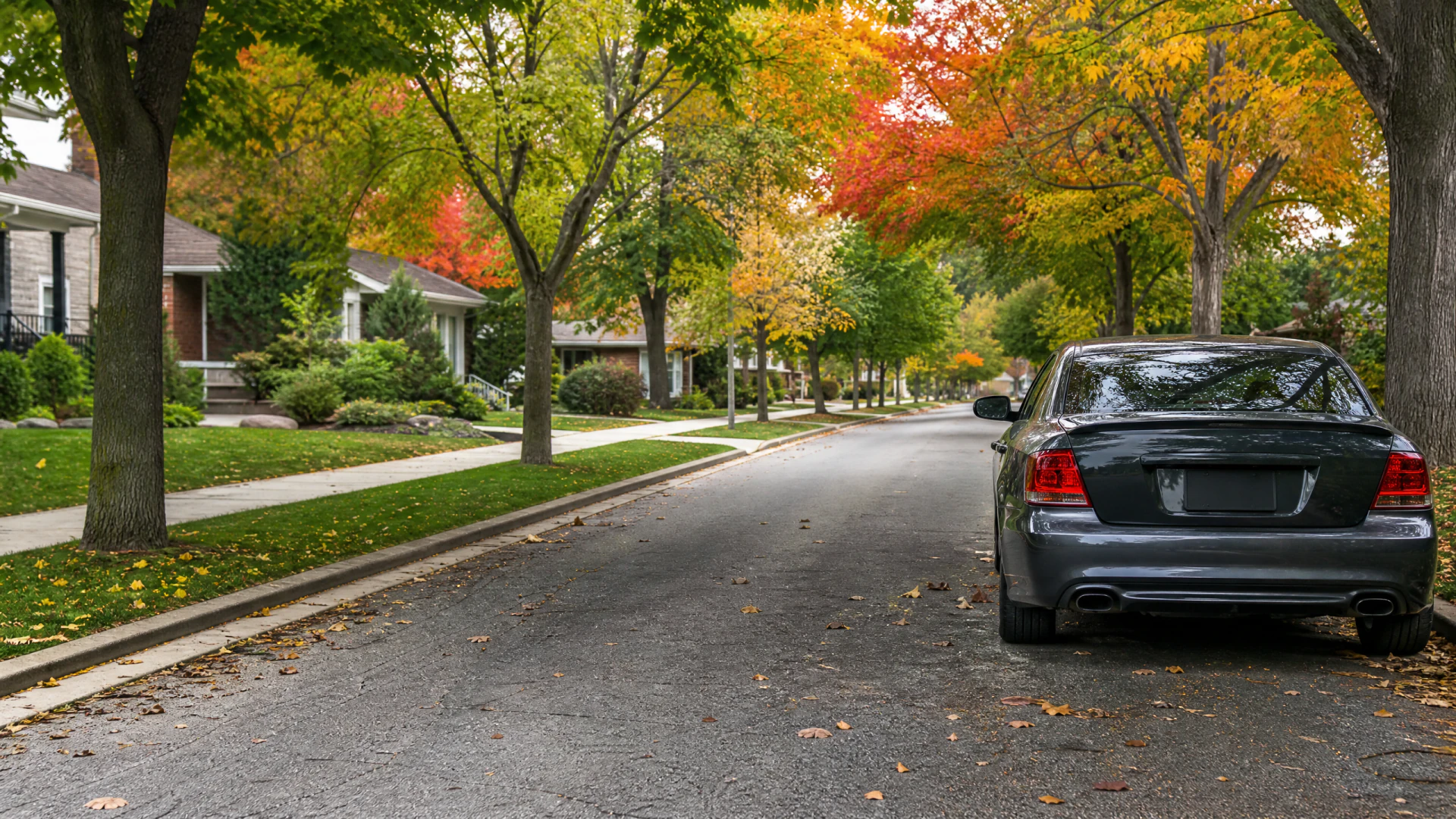
Say your parent's car was parked on the street and someone backed into it overnight, leaving a dented bumper and a broken taillight, then drove off. Your parent notices it in the morning and calls you, unsure what to do next since there's no other driver to exchange information with. You help them file a police report that day, since most insurers want that done quickly and it establishes the damage wasn't from something else.
You then pull up the policy together and see it does have collision coverage, so you call the insurer to start a claim. The adjuster explains the deductible your parent owes before the repair is covered, which is smaller than the full repair cost but still real money. The car gets fixed within a couple weeks, paid mostly by the policy. Afterward, you also check whether uninsured motorist coverage exists for future situations where someone might hit your parent while driving, not just while parked, since that scenario could play out differently.
What if the hit and run driver is caught later?
If the driver is identified afterward, their insurance can end up covering the cost instead, and your parent's insurer may seek reimbursement from that driver's insurer. In some cases this means any deductible your parent paid gets refunded once the responsible driver's coverage takes over.
This isn't guaranteed to happen quickly, and some cases never get resolved if the driver is never found or has no insurance of their own. Check with the insurer about how this process works, since timelines and reimbursement rules vary. It's worth asking when the claim is first filed, so you know what to expect if the driver does eventually turn up.