
Is a Police Report Necessary for an Accident
Yes, you want a police report for almost any accident involving your parent, and here's why it protects both of you.
A report protects your parent when memory or blame gets contested
An insurance claim runs on facts, and a police report is the most neutral record of what those facts were. It notes where the cars ended up, what each driver said in the moment, whether anyone was cited, and often an officer's read on who caused the crash. Without it, the claim becomes your parent's word against the other driver's, recorded days later when memories have already shifted.
This matters more with an older driver because the other side may assume fault lands on your parent before anything is even reviewed. A report filed at the scene, by a neutral third party, pushes back on that assumption with specifics instead of impressions. It also protects your parent if the other driver later changes their story once they realize there's an injury claim or major damage involved.
Most states don't require a report for very minor fender benders with no injury, but plenty require one once damage or injury passes a certain point, and insurers often want one regardless of what the state requires. Check your state's threshold and your parent's policy, since some insurers treat a missing report as a reason to slow down or question a claim even when the law didn't require one.
There are cases where it plays out differently. If the accident happened on private property, like a parking lot, police may decline to file a formal report at all, and you'll want a different kind of documentation instead, like photos and witness contact info gathered on the spot.
When a report settled who was at fault
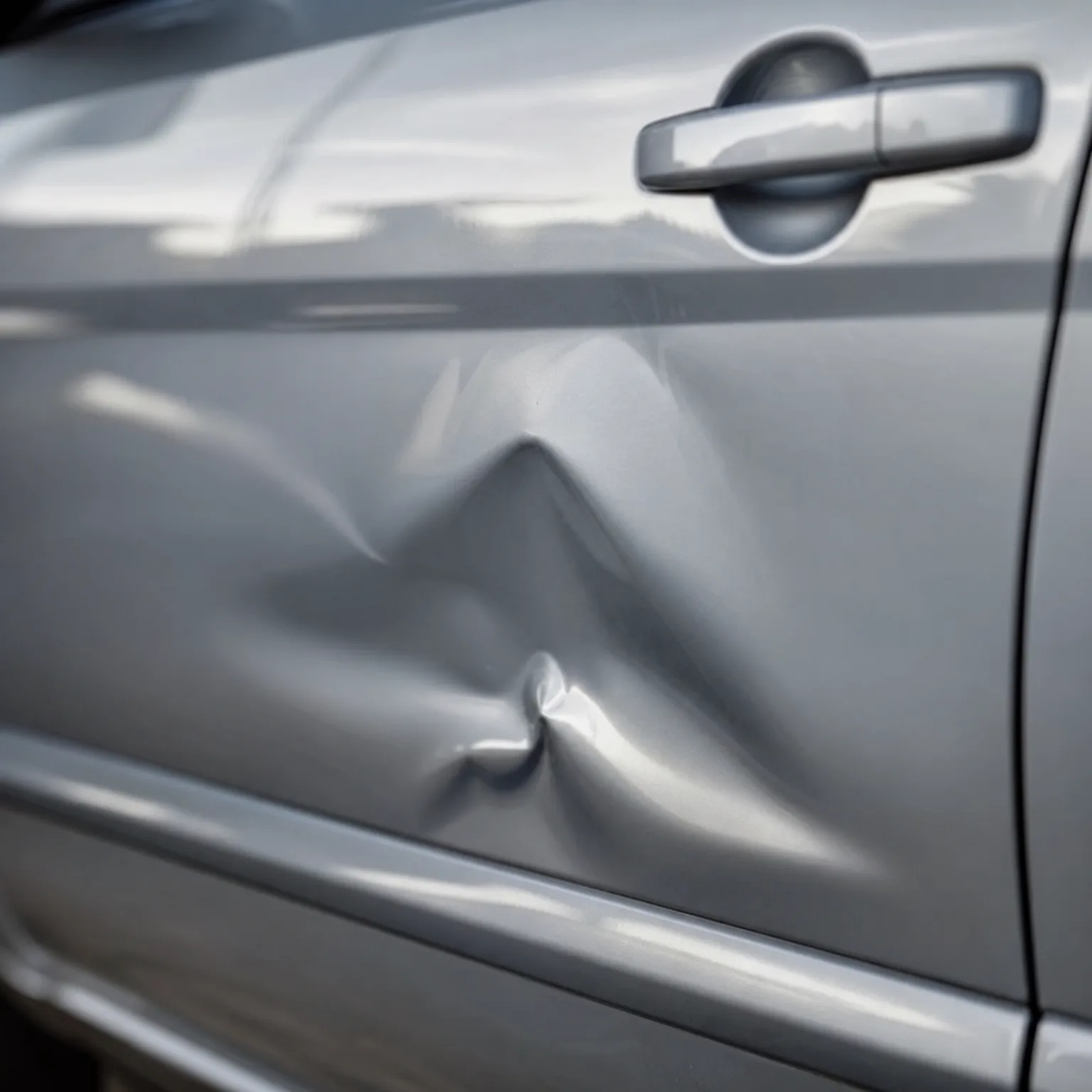
Your parent was stopped at a light when the car behind them rolled forward and tapped their bumper. Both drivers got out, looked at the minor scuff, and the other driver suggested just exchanging information and skipping the police. Your parent, wanting to be agreeable, almost went along with it.
Instead you encouraged them to call it in anyway, since many areas have a non-emergency line for exactly this situation. An officer arrived, took statements, and noted that the other car had rear-ended your parent while stopped. A week later the other driver's insurer tried claiming your parent had reversed into them. The report ended that argument immediately, and the claim was resolved in your parent's favor without a drawn-out dispute.

Whether to call the police after a minor accident
If you do
An officer documents the scene, gets both accounts, and creates a record neither side can quietly rewrite later. If anyone tries to shift blame afterward, the report backs up what actually happened. It also speeds up the insurance claim, since adjusters trust an official report more than a phone call.
If you don't
You're relying on whatever the two drivers agree to on the spot, and that agreement can change once one side talks to their insurer. Your parent may end up in a dispute with nothing neutral to point to. Some insurers will also question or delay a claim that has no report behind it.
Now that you know when a report protects your parent, compare quotes to make sure their policy backs that decision up.
What If My Parent Was Too Shaken to Get a Report Filed?
That's common, and it doesn't ruin the claim, but it does mean you'll need to fill the gap another way. Call the non-emergency police line as soon as possible afterward, even hours later, since many departments will still take a statement and create a delayed report. Some will even come out to the scene if the cars haven't moved.
If too much time has passed for that, gather what you can instead. Photos of the vehicles, the other driver's information, any witnesses who saw it happen, and your parent's own written account while it's still fresh all help build a record. Insurers understand that older drivers sometimes need a moment to steady themselves before handling paperwork, so a short delay isn't held against the claim the way a complete absence of documentation can be.

Does my parent have to call their own insurance even with a police report?
Yes, a police report doesn't replace notifying the insurer, it supports that notice. The insurer needs to open a claim on their end regardless of who's at fault, and they'll usually request a copy of the report directly. Check the policy for how soon they expect to be notified, since some set a window and treat a long delay as a red flag, report or not.
Will my parent's rates go up if the other driver was clearly at fault?
Usually not, since most insurers only raise rates for accidents where their policyholder is found at fault. A report that clearly places blame on the other driver protects against that increase. Still, check your parent's policy and state rules, since a few insurers factor in any accident, regardless of fault, when setting future rates.
Can I file the police report or talk to the insurer on my parent's behalf?
Only if you're formally authorized to, such as being listed on the policy or holding power of attorney, otherwise the insurer usually needs to hear from your parent directly. Police reports typically come from whoever was present at the scene, not a third party afterward. If you expect to keep handling this kind of thing, ask the insurer what authorization they need on file.