What Does PIP Insurance Actually Cover
PIP pays your parent's medical bills and some lost income after a car accident, regardless of who caused it.
Why PIP pays first, no matter who's at fault
PIP exists to get medical bills paid quickly, without waiting for an insurance company to decide who caused the accident. That's the whole design. Instead of your parent's injury claim getting tangled up in a fault investigation that can take weeks, PIP steps in immediately and covers a defined set of costs. This matters most in the first days after a crash, when bills start arriving before anyone has sorted out liability.
What PIP covers usually includes medical treatment, a portion of lost income if your parent was still working, and sometimes replacement services, like paying someone to do household tasks your parent can't do while recovering. It typically does not cover damage to the car itself, that's a separate part of the policy, and it does not cover pain and suffering the way a liability claim might.
How much PIP covers and whether it's required at all depends heavily on the state. Some states require it on every policy, others make it optional, and the rules about who else it covers, like passengers or pedestrians, vary too. This is the part worth checking directly with the insurer or agent, because assuming your parent's policy works like policies in another state can leave you surprised later.
The cases where PIP works differently usually involve other insurance your parent has. If your parent has strong health insurance already, PIP and health coverage may interact in ways that affect who pays first and what's left over. Understanding that order matters more than knowing the exact dollar figures, which change by policy anyway.

The short version
PIP pays your parent's medical costs and some lost income after an accident, regardless of fault, so bills get handled fast instead of waiting on a liability decision. It doesn't cover car damage or pain and suffering. Check your parent's policy and state rules directly, since what's required and what's included both vary.
Does PIP cover me if I'm driving my parent's car?
Usually yes. PIP typically follows the car, not just the named driver, so if you're driving your parent's car with permission and get into an accident, PIP on that policy would generally cover your injuries the same way it covers your parent's.
The details depend on the policy and the state, though. Some policies define who counts as a covered driver more narrowly, and some states have rules about regular versus occasional drivers that affect this. If you drive your parent's car often, it's worth asking the insurer directly whether you're covered as a matter of course or whether you need to be added to the policy by name. Getting a clear answer now avoids a dispute over coverage after something's already happened.
Now that you know what PIP actually pays for, compare quotes to see how it's priced into your parent's policy.
What to check before you assume PIP has you covered
- Whether it's required Some states require PIP on every policy, others leave it optional. Find out which applies to your parent, since that affects whether it's even on the policy right now.
- What it actually pays for PIP usually covers medical costs and some lost income, not car repairs. Read the policy summary so you know what's included before you need it.
- Health insurance overlap If your parent has health insurance, PIP may pay first or may coordinate with it differently depending on the policy. Ask the insurer directly how the two work together.
- Who else is covered PIP sometimes extends to passengers or other drivers of the car, sometimes not. Confirm this if you or anyone else drives your parent's car regularly.
- How to file a claim quickly Because PIP is meant to pay fast, delays in reporting can slow things down. Know ahead of time who to call and what paperwork is needed.

When a fender bender turned into a hospital visit
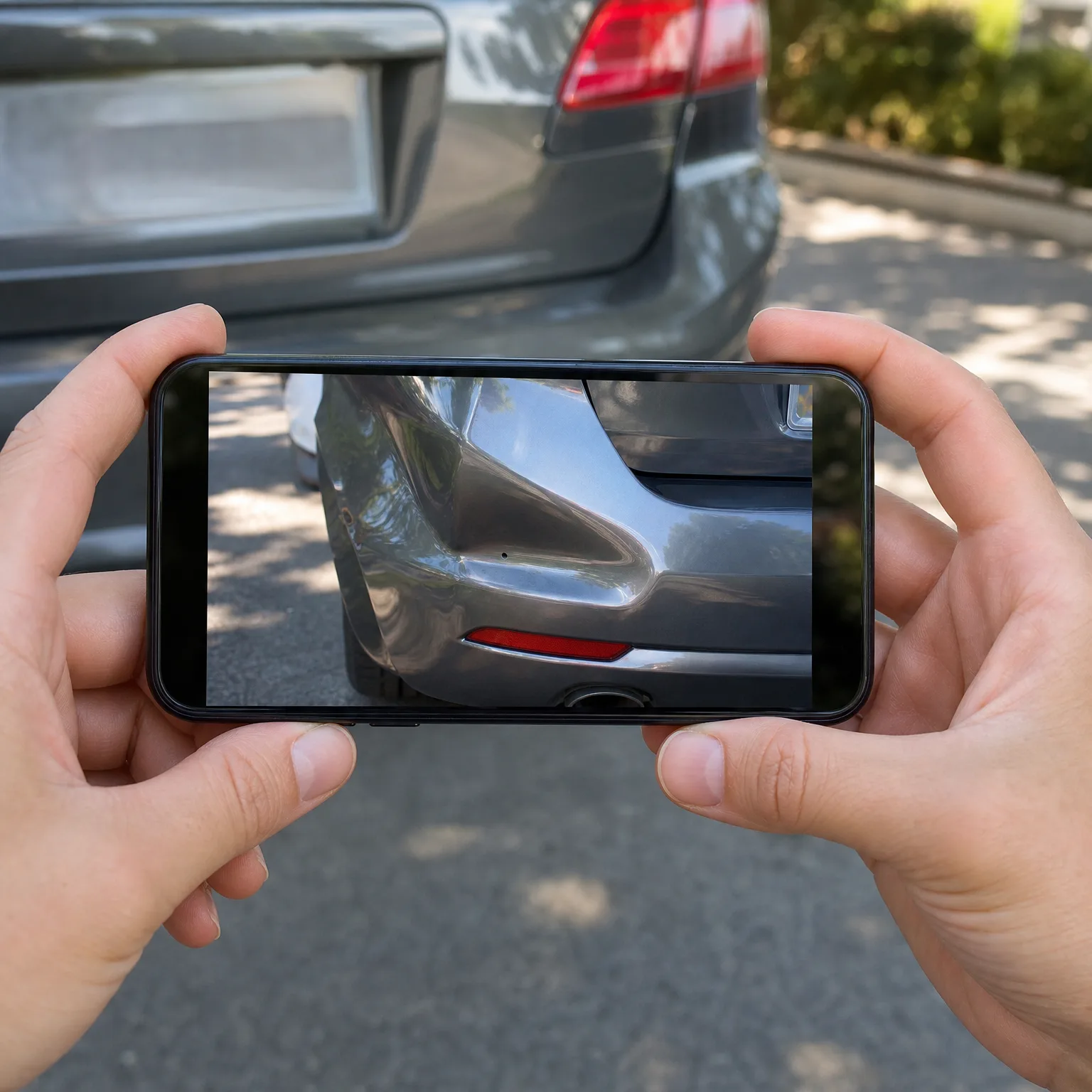
Your parent is rear-ended at a stoplight. It's not a serious crash, but the jolt aggravates an old back injury, and within a day they're in urgent care getting checked out. You're the one handling the paperwork, so you call the insurer to ask what's covered before the bills start piling up.
The agent explains that PIP on the policy covers the urgent care visit and the follow-up physical therapy, and that it doesn't matter yet who's found at fault for the accident. That part gets sorted out separately, through the other driver's insurer, but it doesn't hold up your parent's medical bills in the meantime. You also learn that PIP covers a portion of the cost if your parent needs temporary help at home during recovery. Knowing this upfront means you're not scrambling to figure out coverage while also managing appointments and paperwork, and your parent's care doesn't wait on a fault determination that could take weeks to resolve.
What happens if my parent stops driving but keeps the car?
PIP coverage usually stays active as long as the policy is active, even if your parent isn't driving. The coverage is tied to the vehicle and policy, not to how often it's used. What changes is whether it makes sense to keep full coverage at all. If the car sits unused, it's worth asking the insurer about reducing coverage or switching to a storage policy, since PIP may become less relevant than other parts of the policy at that point.
Can I add myself to my parent's policy without taking it over?
Yes, most insurers let you be added as a listed driver without becoming the policyholder. This keeps the policy in your parent's name while making clear you're an authorized driver, which can matter for coverage and claims. Ask the insurer what listing you as a driver actually changes, since some policies treat regular drivers differently than occasional ones, and that distinction can affect coverage if you're ever in an accident driving the car.
Who pays if my parent causes an accident and I'm a passenger?
Your parent's PIP coverage would typically pay for your injuries first, regardless of fault, since you were a passenger in their car. This is one of the practical benefits of PIP, it covers people in the car, not just the driver. Confirm with the insurer whether passengers are automatically covered or whether there's a limit to how many people or which relationships are included, since this detail varies by policy.