What Is the Best Way to Pay Car Insurance
The best way to pay is whatever keeps the policy accurate about who owns and drives the car, billed to whoever manages the money now.
Choose the payment method that matches who's really in charge
- Keep the policy in their name If your parent still owns and drives the car, the policy should stay in their name even if you're the one paying. Set up the payment yourself through the insurer so you control timing and never miss a due date.
- Ask about being added as a payer Many insurers let you pay a bill without being named on the policy itself. Call and ask specifically for this, since it keeps your parent as the policyholder while you handle the logistics.
- Use automatic payments carefully Autopay prevents lapses, which matter more as your parent ages and bills get harder to track. Link it to an account you monitor, not one only your parent checks.
- Decide on listed driver status If you drive the car regularly, insurers usually want you listed, and this affects both the premium and any claim. Tell the insurer honestly how often you drive it so a claim isn't denied later.
- Revisit the plan over time A move, a diagnosis, or a parent giving up the keys all change who should be paying and how. Check in on the policy whenever daily life changes, not just once a year.

The short version
The best way to pay is whichever method keeps the policy accurate and the payments reliable, usually you paying directly while your parent stays the policyholder. The main reason is that accuracy protects coverage if there's ever a claim. Call the insurer now and ask what payment roles they allow.
What happens to the policy if my parent stops driving?
If your parent stops driving but still owns the car, you can usually keep the policy active with reduced coverage, since an unused car still needs protection against theft, weather, or damage while parked. Ask the insurer about this change specifically rather than canceling outright, because a gap in coverage can make it harder or costlier to insure the car again later if plans change.
If the car is sold or given away, the policy should be canceled or transferred, not just left alone. Call the insurer directly when driving stops for good, tell them the reason, and ask what proof they need. This keeps the record clean and avoids any confusion about who was responsible for the car on a date when no one was driving it.
Once you know who should hold the policy and who should pay it, compare quotes with that answer already settled.

When paying the bill meant more than writing a check
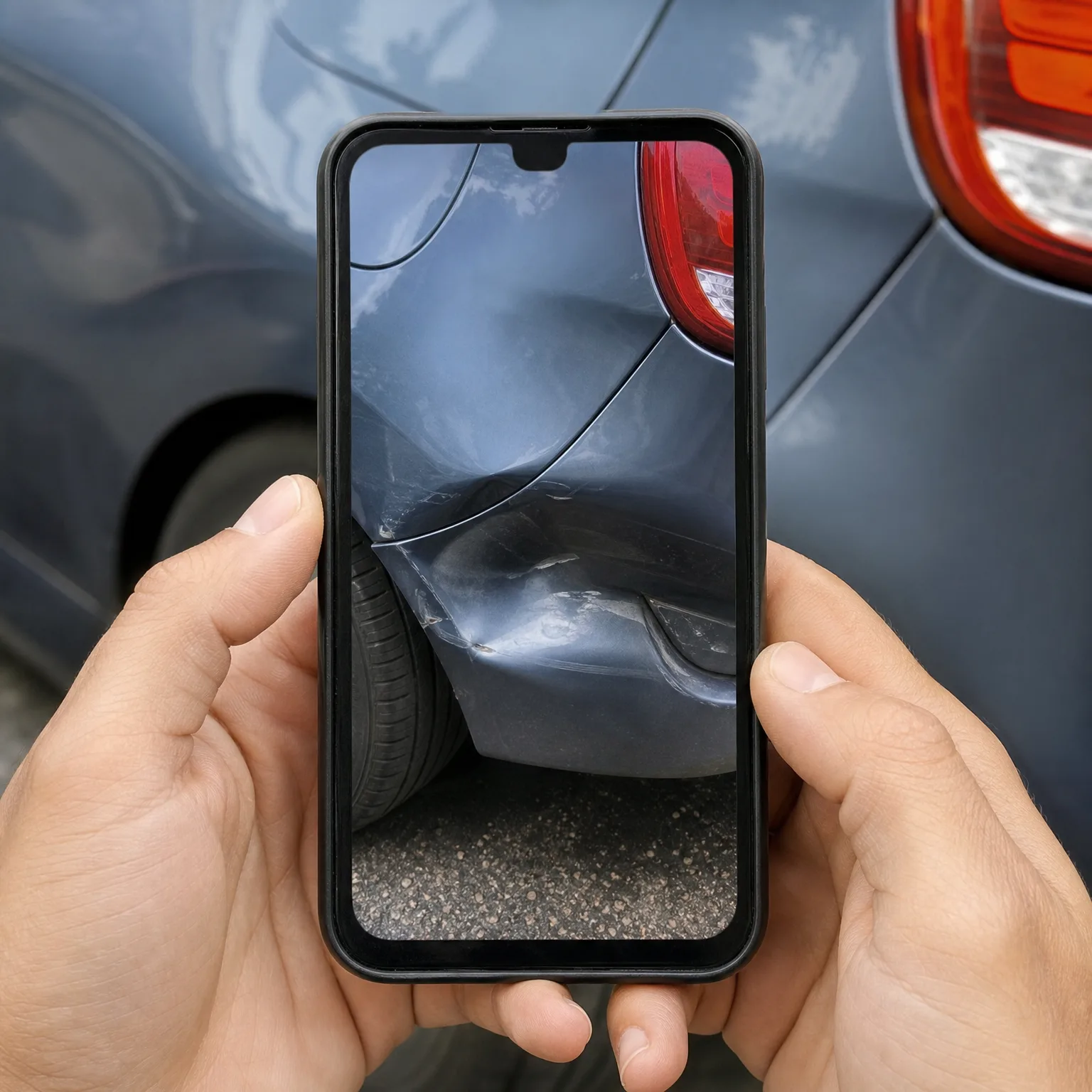
A woman in her fifties started handling her father's finances after he had a minor fall. She assumed paying his car insurance bill each month was simple, until a fender bender made her realize she wasn't listed as a driver even though she used his car twice a week to take him to appointments.
She called the insurer, explained the arrangement, and added herself as a listed driver while keeping her father as the policyholder. The premium changed slightly, but the policy now matched reality. When a second, larger claim came up months later, there was no dispute about who had been driving or why, and the claim was paid without delay.
The real risk isn't who pays the bill, it's whether the policy reflects who actually drives the car.